



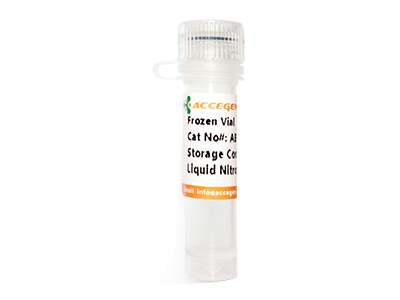
For research use only
| Cat No. | ABC-TC499S |
| Product Type | Human Nerve Tumors Cell Lines |
| Cell Type | Epithelial |
| Species | Human |
| Growth Conditions | 37 ℃, 5% CO2 |
| Source Organ | Brain |
| Product Code | LN 319; LN319 |
LN-319, an epithelial carcinoma cell line from a 69-year-old male with anaplastic astrocytoma. Understand its morphology and adherent culture traits.
LN-319 is a human glioblastoma cell line derived from a left malignant glioma (anaplastic astrocytoma, grade III) of a 69-year-old Caucasian male. These cells exhibit epithelial-like morphology and grow adherently as a monolayer, making them well suited for controlled LN-319 in vitro studies. Under optimized culture conditions, LN-319 cells demonstrate stable proliferation and possess tumorigenic potential, forming tumors in immunodeficient mouse models relevant to investigations of the LN-319 tumor microenvironment. Characteristic of high-grade gliomas, LN-319 cells display altered cell cycle regulation and genetic abnormalities associated with malignant progression and therapeutic resistance. They also show resistance to certain chemotherapeutic agents, reflecting clinical treatment challenges. LN-319 cells express epithelial cell adhesion molecule (EpCAM) and intermediate filament proteins, supporting their utility in LN-319 molecular biology research focused on glioma biology, tumor progression, and epithelial-to-mesenchymal transition–related mechanisms.
| Product Code | LN 319; LN319 |
| Species | Human |
| Cat.No | ABC-TC499S |
| Product Category | Tumor Cell Lines |
| Size/Quantity | 1 vial |
| Cell Type | Epithelial |
| Growth Mode | Adherent |
| Shipping Info | Dry Ice |
| Growth Conditions | 37 ℃, 5% CO2 |
| Source Organ | Brain |
| Biosafety Level | 1 |
| Storage | Liquid Nitrogen |
| Product Type | Human Nerve Tumors Cell Lines |
LN-319 cells model brain epithelial cancer mechanisms, progression, and therapeutic responses (including targeted therapies, chemotherapy, and immunotherapies). They enable genomic/proteomic studies to identify genetic markers and signaling pathways, drug screening for anti-cancer compound efficacy, and immunotherapy research exploring immune system interactions. Additionally, they facilitate biomarker discovery for early detection and prognosis, alongside cell biology investigations of cell cycle regulation, apoptosis, and signal transduction pathways.
When you publish your research, please cite our product as “AcceGen Biotech Cat.# XXX-0000”. In return, we’ll give you a $200 coupon. Simply click here and submit your paper’s PubMed ID (PMID).