



Tumor Cell Lines

LP-1

  • For research use only

Cat No.

ABC-TC516S

Product Type

Human Myeloma Cell Lines

Species

Human

Growth Conditions

37 ℃, 5% CO2

Source Organ

Blood

Disease

Multiple Myeloma

Product Code

LP1

LP-1 multiple myeloma cells secrete IgG-lambda, harbor t(4;14) translocation, overexpress c-myc, suspension culture, EBV-negative, high-risk model.

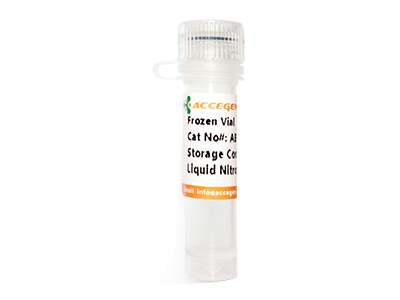
Product Image

Description

LP-1 is an immortalized tumor cell line derived from the peripheral blood of a 56-year-old female patient diagnosed with IgG-lambda multiple myeloma in the plasma cell leukemia (PCL) stage. Established in 1986, LP-1 cells exhibit characteristics reminiscent of immature plasma cells, displaying an intermediate membrane phenotype between late B lymphocytes and plasma cells. They secrete IgG-lambda immunoglobulin chains and, upon exposure to differentiation-inducing agents such as 12-O-tetradecanoylphorbol-13-acetate (TPA) or pokeweed mitogen (PWM), show surface markers and ultrastructural features typical of mature plasma cells, without alteration in their proliferation rate. LP-1 cells are cultured in suspension and exhibit typical lymphoblastoid morphology. Cytogenetic analysis reveals that LP-1 harbors the t(4;14)(p16. 3;q32) translocation, a hallmark of high-risk multiple myeloma, and exhibits overexpression of the c-myc proto-oncogene, including abnormal transcript sizes. Importantly, LP-1 is confirmed to be Epstein-Barr virus (EBV)-negative, distinguishing it from EBV-transformed lymphoblastoid cell lines.

Product Code

LP1

Species

Human

Cat.No

ABC-TC516S

Product Category

Tumor Cell Lines

Size/Quantity

1 vial

Growth Mode

Suspension

Shipping Info

Dry Ice

Growth Conditions

37 ℃, 5% CO2

Source Organ

Blood

Disease

Multiple Myeloma

Biosafety Level

1

Storage

Liquid Nitrogen

Product Type

Human Myeloma Cell Lines

Application

  • LP-1 is widely used as a model for investigating multiple myeloma pathogenesis, including plasma cell proliferation, survival, and drug resistance mechanisms. It supports preclinical evaluation of anti-myeloma drugs, especially those targeting c-MYC and IgH translocations. LP-1 cells facilitate studies on immunoglobulin secretion, signaling pathways, and tumor-microenvironment interactions. The ability to engraft in mice makes LP-1 suitable for in vivo testing of novel therapeutic agents and studying tumor growth dynamics.

Citation

When you publish your research, please cite our product as “AcceGen Biotech Cat.# XXX-0000”. In return, we’ll give you a $200 coupon. Simply click here and submit your paper’s PubMed ID (PMID).

Inquiring LP-1

We know how valuable your research is to you, but are you wondering what you can expect to pay for quick accurate results every time? Fill out a request in the form below and we’ll get back to you within 24 hours with a quote.
High Viability
To succeed in cell culture
Precision and Reliability
To support a consistent result
Customization Options
Tailed to your research

Tags

AcceGen Scroll Top Button