



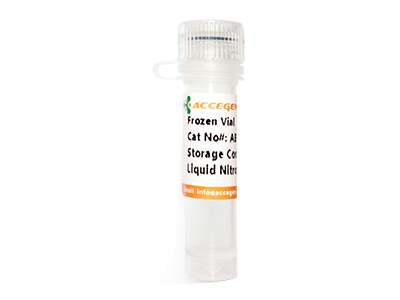
For research use only
| Cat No. | ABC-TC0636 |
| Product Type | Rat Liver Cancer Cell Lines |
| Cell Type | Hepatocyte |
| Species | Rattus Norvegicus |
| Growth Conditions | 37 ℃, 5% CO2 |
| Source Organ | Liver |
| Disease | Hepatoma |
| Product Code | McA-RH 7777; MCA-RH 7777; McArdle RH-7777; McARH7777; RH7777; Mc Ardle 7777 |
MCA-RH 7777 rat liver carcinoma line expresses AFP and H3R, shows glucocorticoid-regulated proliferation, and models hepatocellular carcinoma in vitro.
MCA-RH 7777 is rat hepatoma cell line originally isolated from the liver tissue of a female Buffalo strain rat with N‑2 fluorenylphthalamic acid‑induced liver tumor (Morris hepatoma 7777). The cells exhibit epithelial-like morphology with a distinctive fusiform and polygonal appearance and loosely adherent culture properties. In vitro, the McA-RH 7777 cells express glucocorticoid and α-fetoprotein (AFP) and glucocorticoid receptor transcripts and protein, with proliferative response modulated by glucocorticoid exposure. The glucocorticoid treatment may increase the cell proliferation and inhibit AFP production. MCA-RH 7777 expresses both H3-receptor (H3R) transcripts and proteins, its proliferation is modulated by HA via interactions with autoinhibitory H3Rs. Gene expression reflects hepatocyte transformation, and the line retains tumorigenic phenotype in vivo with high tumor take rates in immunocompetent rat models.
| Product Code | McA-RH 7777; MCA-RH 7777; McArdle RH-7777; McARH7777; RH7777; Mc Ardle 7777 |
| Species | Rattus Norvegicus |
| Cat.No | ABC-TC0636 |
| Product Category | Tumor Cell Lines |
| Size/Quantity | 1 vial |
| Cell Type | Hepatocyte |
| Growth Mode | Adherent |
| Shipping Info | Dry Ice |
| Growth Conditions | 37 ℃, 5% CO2 |
| Source Organ | Liver |
| Disease | Hepatoma |
| Biosafety Level | 1 |
| Storage | Liquid Nitrogen |
| Product Type | Rat Liver Cancer Cell Lines |
The versatile MCA-RH 7777 cell line serves a multitude of purposes in scientific exploration. It plays a pivotal role in researching liver cancer metastasis, recurrence patterns, and innovative interventional therapies, while also contributing significantly to drug screening initiatives. Beyond this, the cell line is instrumental in tumorigenicity and oncogeny studies, shedding light on crucial aspects of cancer development. Additionally, it offers a valuable platform for investigating the intricate mechanisms governing the biogenesis of plasma lipoproteins.
When you publish your research, please cite our product as “AcceGen Biotech Cat.# XXX-0000”. In return, we’ll give you a $200 coupon. Simply click here and submit your paper’s PubMed ID (PMID).