



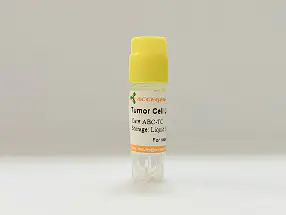
For research use only
| Cat No. | ABC-TC0711 |
| Product Type | Mouse Breast Cancer Cell Lines |
| Species | Mouse |
| Growth Conditions | 37 ℃, 5% CO2 |
| Product Code | MTP-GFP, MTPGFP, MTP gfp |
Species: mouse, CD-1 transgenic female; Tissue: mammary gland; Tumor: adenocarcinoma; Transformed by: MMTVneu oncogene; Derived from: lung metastasis
MTP‑GFP is a murine mammary adenocarcinoma cell line engineered from a metastasis originated in MMTV-neu × CMV-GFP transgenic CD-1 female mice. These epithelial-like cells are adherent and stably express GFP, enabling real-time tracking. The line was derived from a lung metastasis, indicating its origin from aggressive in vivo tumors. MTP‑GFP displays an epithelial monolayer profile with moderate proliferation. Cytogenetic status—typical of transformed murine cells—is unknown. Functionally, GFP fluorescence confirms stable transgene expression. Metastatic potential derives intrinsically, based on lung-derived origin. The cells undergo rigorous screening and isolation procedures, and are rigorously tested to ensure they are free of contamination from mycoplasma, fungi, yeast, and bacteria.
| Product Code | MTP-GFP, MTPGFP, MTP gfp |
| Species | Mouse |
| Cat.No | ABC-TC0711 |
| Product Category | Tumor Cell Lines |
| Size/Quantity | 1 vial |
| Shipping Info | Dry Ice |
| Growth Conditions | 37 ℃, 5% CO2 |
| Biosafety Level | 1 |
| Storage | Liquid Nitrogen |
| Product Type | Mouse Breast Cancer Cell Lines |
MTP‑GFP is ideal for live-cell imaging, metastasis tracking, and drug-response studies in breast cancer research. The cell line facilitates high-throughput screening of anti-cancer agents targeting ERBB2/neu-driven tumors, and exploration of neu-oncogene signaling. MTP‑GFP also supports mechanistic research into metastatic behavior, tumor microenvironment interactions, and therapeutic efficacy by enabling green fluorescence-based quantification of primary and secondary tumor sites.
When you publish your research, please cite our product as “AcceGen Biotech Cat.# XXX-0000”. In return, we’ll give you a $200 coupon. Simply click here and submit your paper’s PubMed ID (PMID).