



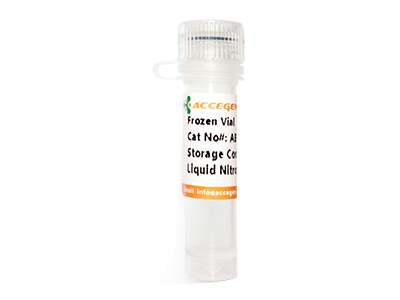
For research use only
| Cat No. | ABC-BR0049 |
Methylthiazolyldiphenyl-tetrazolium bromide is a yellow dye that has been widely used for monitoring cell viability, cell proliferation, and cytotoxicity.
Methylthiazolyldiphenyl-tetrazolium bromide (MTT), also known as thiazolyl blue tetrazolium bromide, is a yellow tetrazolium dye widely used to assess cell viability, proliferation, and cytotoxicity. It has largely replaced traditional trypan blue staining and radioisotope-based methods due to its simplicity and reliability. MTT is a positively charged, cell-permeable compound that is reduced by mitochondrial succinate dehydrogenase in metabolically active cells to form dark blue, water-insoluble formazan crystals. Dead or damaged cells lack this enzymatic activity and therefore do not produce formazan. The formazan crystals accumulate inside viable cells and cannot pass through intact cell membranes. These crystals are subsequently solubilized using DMSO or acidified isopropanol, and the absorbance is measured at 570 nm using a microplate reader.
| Cat.No | ABC-BR0049 |
| Product Category | Cell Culture Media, Kits & Reagents |
| Size/Quantity | 250 mg, 1g |
| Storage | 4℃, protect from light, in dry enviornment. |
MTT is primarily used to measure cell proliferation, cell viability, and cytotoxicity. The absorbance value is directly proportional to the number of viable cells, enabling quantitative evaluation of cell viability. In addition to viability assays, MTT is also used in immunohistochemical and cytochemical staining and for the detection of NAD-related metabolic activity.