


For research use only
| Cat No. | ABC-TC5571 |
| Product Type | Canine Sarcoma Cell Lines |
| Species | Canine |
| Growth Conditions | 37 ℃, 5% CO2 |
| Product Code | OSCA-8; OSCA8; OSA8 |
OSCA-8 canine osteosarcoma cells show spindle shape, adherent growth, form aggressive tumors in SCID mice, with mesenchymal osteoblastic differentiation.
OSCA-8 is a canine osteosarcoma cell line that was originally isolated from the humerus of a 2-year-old male Rottweiler with osteosarcoma. The cells grow in spindle‑shaped adherent monolayers with occasional osteoblastic morphology. Genomic analyses reveal hallmark alterations common in osteosarcoma, including TP53 mutations, MYC amplification, and loss of CDKN2A, PTEN, RB1, and structural variants in SETD2 and DLG2. Transcriptomic profiling classifies OSCA‑8 within a molecular subtype marked by high expression of immune‑related and EMT pathway genes, including upregulation of CXCR4, and IL6. Derived from a clinically aggressive canine tumor, OSCA‑8 is tumorigenic in xenograft models and exhibits reproducible metastatic behavior in preclinical assays.
| Product Code | OSCA-8; OSCA8; OSA8 |
| Species | Canine |
| Cat.No | ABC-TC5571 |
| Product Category | Tumor Cell Lines |
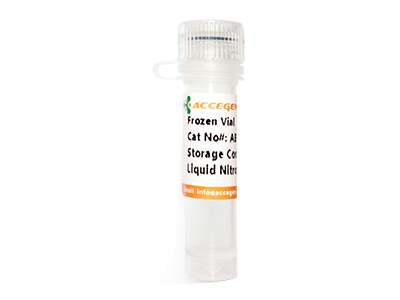
| Size/Quantity | 1 vial |
| Shipping Info | Dry ice |
| Growth Conditions | 37 ℃, 5% CO2 |
| Biosafety Level | 2 |
| Storage | Liquid Nitrogen |
| Product Type | Canine Sarcoma Cell Lines |
The OSCA-8 cell line is particularly valuable in addressing the challenges associated with canine osteosarcoma, a disease marked by high metastatic potential and poor prognosis. It serves as an essential model for evaluating the cytotoxicity of inhibitors, uncovering mechanisms of resistance to current therapies, and developing novel treatment strategies aimed at inducing apoptosis. By leveraging OSCA-8 cells, researchers can significantly advance the understanding and therapeutic management of this aggressive cancer in dogs.
When you publish your research, please cite our product as “AcceGen Biotech Cat.# XXX-0000”. In return, we’ll give you a $100 coupon. Simply click here and submit your paper’s PubMed ID (PMID).