



For research use only
| Cat No. | ABC-TC0954 |
| Product Type | Human Myoma Cell Lines |
| Species | Human |
| Growth Conditions | 37 ℃, 5% CO2 |
| Source Organ | Muscle |
| Product Code | R D; RD-2; RD 2; 130T; 130-T; 130 T; TE-32; TE 32; TE32; TE 32.T; Te 32.T |
Human RD rhabdomyosarcoma cells with MYC, NRAS, TP53 mutations for cancer research, drug testing, and embryonal tumor modeling.
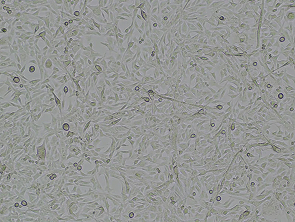
RD is a human embryonal rhabdomyosarcoma (RMS) cell line established from a pelvic tumor biopsy of a 7-year-old female patient previously treated with cyclophosphamide and radiation. The cells exhibit adherent growth with spindle-shaped, multinucleated morphology typical of muscle-derived tumors. RD cells harbor a hyperdiploid karyotype (51 chromosomes) and key oncogenic alterations, including MYC amplification, NRAS Q61H, and homozygous TP53 mutation. They express high levels of myogenic markers such as myogenin, representing characteristic RD cell markers associated with embryonal RMS and muscle lineage commitment. Histologically consistent with embryonal RMS, RD cells form tumors in immunocompromised mice, supporting their use in RD disease modeling of rhabdomyosarcoma pathogenesis and tumor progression. Collectively, these morphological, genetic, and tumorigenic features make RD a robust in vitro model for RD therapeutic research, muscle differentiation studies, and cancer-focused RD experimental protocols aimed at evaluating treatment responses.
| Product Code | R D; RD-2; RD 2; 130T; 130-T; 130 T; TE-32; TE 32; TE32; TE 32.T; Te 32.T |
| Species | Human |
| Cat.No | ABC-TC0954 |
| Product Category | Tumor Cell Lines |
| Size/Quantity | 1 vial |
| Growth Mode | Adherent |
| Shipping Info | Dry Ice |
| Growth Conditions | 37 ℃, 5% CO2 |
| Source Organ | Muscle |
| Biosafety Level | 1 |
| Storage | Liquid Nitrogen |
| Product Type | Human Myoma Cell Lines |
The RD cell line is a classical model for studying rhabdomyosarcoma, a pediatric soft tissue cancer. It has been used to evaluate chemotherapy agents like vincristine and cyclophosphamide and investigate molecular events involved in tumor progression and metastasis. RD cells are also valuable in multistage carcinogenesis studies and drug screening, particularly for exploring anti-cancer compounds and their effects on tumor growth and gene expression.
When you publish your research, please cite our product as “AcceGen Biotech Cat.# XXX-0000”. In return, we’ll give you a $200 coupon. Simply click here and submit your paper’s PubMed ID (PMID).