For research use only
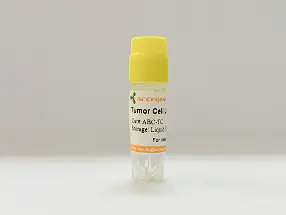
| Cat No. | ABC-TC1287 |
| Product Type | Human Lung Cell Lines |
| Cell Type | Epithelial |
| Species | Human |
| Growth Conditions | 37 ℃, 5% CO2 |
| Source Organ | Lung |
| Product Code | WI 38 VA13 subline 2RA; WI 38 VA-13 subline 2RA; WI 38VA13 subline 2RA; WI-38 VA13 sub 2 RA; WI38-VA13 subline 2RA; WI38 VA13/2RA; WI38VA13/2RA; VA13 2RA; WI-38 VA13; WI 38 VA 13; WI38-VA13; WI38/VA13; WI38VA13; VA-13; VA13; AG07217; AG7217 |
Explore WI-38 VA-13 subline 2RA, an SV40-transformed cell line ideal for studying tumorigenesis and cellular responses to viral transformation.
WI-38 VA-13 subline 2RA cells are a human lung-derived cell line established by transforming WI-38 human diploid fibroblasts with simian virus 40 (SV40). Unlike parental WI-38 cells, which have a finite replicative lifespan, this transformed derivative exhibits an immortalized growth phenotype. The model is useful for investigating cellular transformation, proliferation control, and molecular changes associated with SV40-mediated immortalization. SV40 large T antigen can interact with key tumor suppressor proteins, including p53 and retinoblastoma protein (Rb), contributing to altered cell-cycle regulation and the transformed phenotype. Studies comparing WI-38 and SV40-transformed WI-38 (VA13) cells have also examined differences in reactive oxygen species (ROS) levels and antioxidant enzyme activity following bleomycin treatment. WI-38 VA-13 subline 2RA cells can support research into virus-associated cellular changes, transformation-related mechanisms, and oxidative stress responses. Results should be interpreted in the context of the cell line’s SV40-transformed background rather than generalized to normal WI-38 fibroblasts.
| Product Code | WI 38 VA13 subline 2RA; WI 38 VA-13 subline 2RA; WI 38VA13 subline 2RA; WI-38 VA13 sub 2 RA; WI38-VA13 subline 2RA; WI38 VA13/2RA; WI38VA13/2RA; VA13 2RA; WI-38 VA13; WI 38 VA 13; WI38-VA13; WI38/VA13; WI38VA13; VA-13; VA13; AG07217; AG7217 |
| Species | Human |
| Cat.No | ABC-TC1287 |
| Product Category | Tumor Cell Lines |
| Size/Quantity | 1 vial |
| Cell Type | Epithelial |
| Growth Mode | Adherent |
| Shipping Info | Dry Ice |
| Growth Conditions | 37 ℃, 5% CO2 |
| Source Organ | Lung |
| Biosafety Level | 1 |
| Storage | Liquid Nitrogen |
| Product Type | Human Lung Cell Lines |
WI-38 VA-13 subline 2RA cells may be used in studies of SV40-mediated cellular transformation, cell proliferation, and transformation-associated molecular pathways. Researchers can investigate how viral oncoproteins influence host-cell growth regulation, including pathways involving p53 and Rb. The cell line has also been used to compare oxidative stress responses between normal WI-38 fibroblasts and their SV40-transformed derivative, including ROS levels and antioxidant enzyme activity following bleomycin exposure. Additional applications may include analysis of cellular protein expression, cell-cycle regulation, and selected metabolic differences associated with transformation. For comparative experiments, parental WI-38 cells can provide a reference model when available, although observed differences should be evaluated with appropriate experimental controls. Because the cell line has an SV40-transformed background, it should not be treated as equivalent to normal diploid fibroblasts in studies of normal cellular physiology or replicative senescence.
WI-38 VA-13 subline 2RA cells provide a model for studying how SV40 transformation affects cellular growth and molecular regulation. SV40 large T antigen can interfere with tumor suppressor pathways involving p53 and Rb, helping explain the altered proliferative behavior of transformed cells. Comparative research has also examined ROS levels and primary antioxidant enzyme activity in WI-38 and SV40-transformed WI-38 cells following bleomycin treatment, supporting investigations into the relationship between cellular transformation and redox homeostasis. Relevant research areas include viral transformation, cell-cycle control, transformation-associated mechanisms, oxidative stress, and transformation-associated changes in protein expression. This model is particularly relevant when researchers need to study SV40-transformed human fibroblasts rather than normal diploid fibroblasts. However, the cell line is not equivalent to a tumor-derived model and should not be assumed to represent the full process of tumor development. Experimental conclusions should account for cell background, culture conditions, and the specific endpoints measured.
Cell Recovery (Thaw and recover cells according to the supplier’s recommended protocol.) → Cell Culture (Maintain cells under the recommended culture conditions and monitor morphology.) → Culture Quality Assessment (Confirm cell identity and check for contamination before experiments.) → Experimental Design (Define the transformation-related, proliferation, or oxidative stress research question.) → Treatment or Perturbation (Apply the selected treatment or molecular intervention using an appropriate protocol.) → Phenotypic Assessment (Evaluate cell morphology, growth, viability, or other relevant endpoints.) → Molecular Analysis (Assess selected proteins, signaling pathways, ROS levels, or antioxidant response markers.) → Data Interpretation (Compare results with suitable controls while accounting for the SV40-transformed background.)
When you publish your research, please cite our product as “AcceGen Biotech Cat.# XXX-0000”. In return, we’ll give you a $200 coupon. Simply click here and submit your paper’s PubMed ID (PMID).