



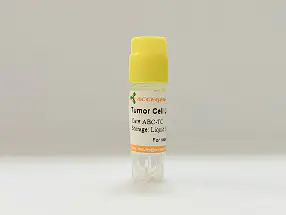
For research use only
| Cat No. | ABC-TC0082 |
| Product Type | Monkey Kidney Cell Lines |
| Cell Type | Epithelial |
| Species | Cercopithecus Aethiops |
| Growth Conditions | 37 ℃, 5% CO2 |
| Source Organ | Kidney |
| Product Code | BSC-1; BS-C-1; GMK,BSC-1; Biologics Standards-Cercopithecus-1 |
Monkey African green kidney epithelial. Continuous cell line which when infected with SV40 virus develops characteristic cytopathic effect.
BSC-1 is an epithelial cell line derived from the African green monkey (Cercopithecus aethiops) kidney tissue. Originally established in the 1960s, BSC-1 cells were cloned from a parental kidney culture for their uniform morphology and high permissiveness to viral replication. These cells display a typical cobblestone epithelial morphology and grow as a monolayer with adherent properties under standard culture conditions. Karyotype analysis reveals a stable diploid chromosome number (2n = 60) with minimal structural abnormalities. BSC-1 is non-tumorigenic in immunodeficient mice and is widely recognized for its susceptibility to infection with orthopoxviruses, including vaccinia and monkeypox viruses. This feature makes it an ideal host for virus propagation and cytopathic effect studies. The cells undergo stringent screening and testing procedures to ensure they are free from contamination by Mycoplasma, fungi, yeast, and bacteria.
| Product Code | BSC-1; BS-C-1; GMK,BSC-1; Biologics Standards-Cercopithecus-1 |
| Species | Cercopithecus Aethiops |
| Cat.No | ABC-TC0082 |
| Product Category | Tumor Cell Lines |
| Size/Quantity | 1 vial |
| Cell Type | Epithelial |
| Growth Mode | Adherent |
| Shipping Info | Dry Ice |
| Growth Conditions | 37 ℃, 5% CO2 |
| Source Organ | Kidney |
| Biosafety Level | 1 |
| Storage | Liquid Nitrogen |
| Product Type | Monkey Kidney Cell Lines |
BSC-1 cells are extensively used in virology research, particularly for virus amplification, plaque formation assay, and cytopathic effect analysis of DNA viruses such as vaccinia, monkeypox, and adenovirus. Their predictable morphology and high viral susceptibility make them valuable for vaccine development, viral pathogenesis research, and screening of antiviral compounds. In addition, they are frequently employed in biosafety and BSC1 contamination control studies, serving as standardized substrates for viral titer determination and quality monitoring in regulatory virology workflows.
When you publish your research, please cite our product as “AcceGen Biotech Cat.# XXX-0000”. In return, we’ll give you a $200 coupon. Simply click here and submit your paper’s PubMed ID (PMID).