



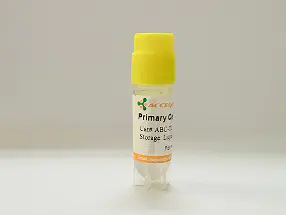
For research use only
| Cat No. | ABC-TC3155 |
| Product Type | Mouse Primary Cells |
| Cell Type | Endothelial |
| Species | C57BL/10J Mouse |
| Growth Conditions | 37 ℃, 5% CO2 |
| Source Organ | Lung |
| Disease | Normal |
| Storage | Liquid Nitrogen |
C57BL/10J Mouse Lung Endothelial Cells are ideal for pulmonary vascular biology, respiratory disease modeling, and inflammation-related research.
C57BL/10J Mouse Lung Endothelial Cells are primary microvascular endothelial cells isolated from pathogen-free C57BL/10J mouse lungs and are widely used for studying the lung vasculature in C57BL/10J mice. They form tight, cobblestone monolayers and display contact-inhibited growth typical of capillary endothelium. Functionally, they regulate barrier integrity, leukocyte trafficking and angiogenesis, reflecting important functions of lung endothelial cells in mice, and making them valuable for pulmonary vascular studies and disease models such as acute lung injury, pulmonary fibrosis and pulmonary hypertension. They express CD31 (PECAM-1), VE-cadherin (CD144), von Willebrand factor and eNOS. To ensure the quality of these primary cells, repeated freeze-thaw cycles are not recommended due to the fragile nature of these cells. The cells undergo rigorous screening and isolation procedures, and are rigorously tested to ensure they are free of contamination from Mycoplasma, Fungi, Yeast, and Bacteria.
| Product Code | C57BL10J Lung Endothelial Cells, Mouse lung endothelial cells C57BL/10J |
| Species | C57BL/10J Mouse |
| Cat.No | ABC-TC3155 |
| Product Category | Primary Cells |
| Size/Quantity | 1 vial |
| Cell Type | Endothelial |
| Growth Mode | Adherent |
| Shipping Info | Dry Ice |
| Growth Conditions | 37 ℃, 5% CO2 |
| Source Organ | Lung |
| Disease | Normal |
| Biosafety Level | 1 |
| Storage | Liquid Nitrogen |
| Product Type | Mouse Primary Cells |
| Quality Control | All cells test negative for mycoplasma, bacteria, yeast, and fungi. |
C57BL/10J Mouse Lung Endothelial Cells provide an authentic and physiologically relevant in-vitro platform for probing pulmonary vascular permeability, cytokine-induced activation, hypoxia responses and leukocyte transmigration. They are widely used in mechanistic studies of ARDS, ventilator-induced lung injury, viral or bacterial pneumonia, and in high-throughput screening of novel anti-inflammatory or barrier-stabilizing therapeutics targeting the lung endothelium.
When you publish your research, please cite our product as “AcceGen Biotech Cat.# XXX-0000”. In return, we’ll give you a $200 coupon. Simply click here and submit your paper’s PubMed ID (PMID).