



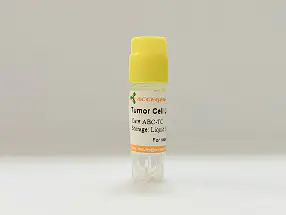
For research use only
| Cat No. | ABC-TC0251 |
| Product Type | Rat Liver Cancer Cell Lines |
| Cell Type | Hepatocyte |
| Species | Rattus Norvegicus |
| Growth Conditions | 37 ℃, 5% CO2 |
| Source Organ | Liver |
| Product Code | FaO; FAO; FAO-1 |
Rat hepatoma. A differentiated cell line derived from H4-11-E-C3.
Fao is a rat hepatoma cell line originally derived from the liver tissues of a male rat, serving as a model for chemically induced hepatocellular carcinoma. The cells display epithelial-like polygonal morphology and grow as dense adherent monolayers under standard culture conditions. Cytogenetic analysis reveals stable expression of liver-specific markers, including albumin and cytochrome P450 enzymes. Fao is non-tumorigenic in immunocompetent rodent models and lacks metastatic potential. Fao cells retain differentiated hepatic functions such as gluconeogenesis and tyrosine aminotransferase inducibility. The cells undergo rigorous screening and isolation procedures, and are rigorously tested to ensure they are free of contamination from Mycoplasma, Fungi, Yeast, and Bacteria.
| Product Code | FaO; FAO; FAO-1 |
| Species | Rattus Norvegicus |
| Cat.No | ABC-TC0251 |
| Product Category | Tumor Cell Lines |
| Size/Quantity | 1 vial |
| Cell Type | Hepatocyte |
| Growth Mode | Adherent |
| Shipping Info | Dry Ice |
| Growth Conditions | 37 ℃, 5% CO2 |
| Source Organ | Liver |
| Biosafety Level | 1 |
| Storage | Liquid Nitrogen |
| Product Type | Rat Liver Cancer Cell Lines |
Fao rat hepatoma cells serve as a differentiated hepatic model to study liver-specific functions and xenobiotic metabolism. They enable in vitro drug metabolism studies through quantification of cytochrome P450 enzyme activity. Hepatotoxic compound screening can be performed via albumin/urea secretion assays. This system facilitates glucose homeostasis research and toxicogenomic profiling. It supports pharmacological safety evaluation and metabolic disorder modeling.
When you publish your research, please cite our product as “AcceGen Biotech Cat.# XXX-0000”. In return, we’ll give you a $200 coupon. Simply click here and submit your paper’s PubMed ID (PMID).