


For research use only
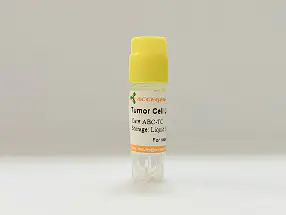
| Cat No. | ABC-TC0366 |
| Product Type | Human Liver Cell Lines |
| Cell Type | Epithelial |
| Species | Human |
| Growth Conditions | 37 ℃, 5% CO2 |
| Product Code | Hep3B2.1-7, Hep 3B2.1-7, Hep-3B2.1 7, hep-3b2.1-7 |
This line contains an integrated hepatitis B virus genome.
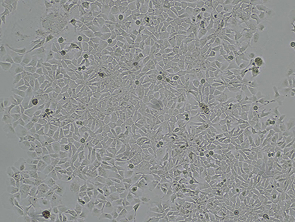
Hep-3B2.1-7 is a human hepatocellular carcinoma cell line derived from an African American boy, and harbors integrated hepatitis B virus (HBV) sequences. The cells display epithelial morphology, grow as adherent monolayers, and secrete liver-specific markers including alpha-fetoprotein and albumin. The cell line is aneuploid with a modal chromosome count of approximately 60 and demonstrates tumorigenicity in immunodeficient mice. It is widely used in research on HBV-related oncogenesis, hepatic drug metabolism, liver cancer therapeutics, and in vitro modeling of liver disease and virus–host interactions. The cells undergo rigorous screening and isolation procedures, and are rigorously tested to ensure they are free of contamination from HIV-1, HBV, HCV, Syphilis, Mycoplasma, Fungi, Yeast, and Bacteria.
| Product Code | Hep3B2.1-7, Hep 3B2.1-7, Hep-3B2.1 7, hep-3b2.1-7 |
| Species | Human |
| Cat.No | ABC-TC0366 |
| Product Category | Tumor Cell Lines |
| Size/Quantity | 1 vial |
| Cell Type | Epithelial |
| Shipping Info | Dry Ice |
| Growth Conditions | 37 ℃, 5% CO2 |
| Biosafety Level | 1 |
| Storage | Liquid Nitrogen |
| Product Type | Human Liver Cell Lines |
Hep-3B2.1-7 cells are a valuable human hepatocellular carcinoma model harboring integrated HBV DNA, used for studying viral oncogenesis, liver-specific drug metabolism, and chemotherapeutic response. Their secretion of albumin and alpha-fetoprotein allows phenotypic validation of hepatocyte function. This cell line supports CYP enzyme induction studies, antiviral screening, and mechanistic exploration of liver cancer signaling pathways in vitro.
When you publish your research, please cite our product as “AcceGen Biotech Cat.# XXX-0000”. In return, we’ll give you a $200 coupon. Simply click here and submit your paper’s PubMed ID (PMID).