



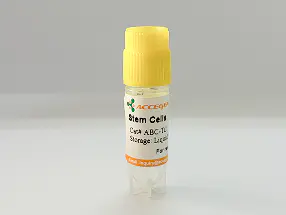
For research use only
| Cat No. | ABC-SC0006 |
| Product Type | Animal Adult Stem Cells |
| Cell Type | Stem Cell |
| Species | Rat |
| Growth Conditions | 37 ℃, 5% CO2 |
| Source Organ | Brain |
| Disease | Normal |
| Storage | Liquid Nitrogen |
Rat Neuronal cells trans-differentiated Stem Cells; Frozen Vial and Plated cells are available.
HighQC™ Rat Neuronal (Trans‑Differentiated) Stem Cells (R‑NTSCs) are derived from defined regions of postnatal rat brain tissues, including the subventricular zone and hippocampal neurogenic niches, through well‑defined in vitro trans‑differentiation protocols employing combinations of growth factors and small molecules that induce conversion of non‑neuronal precursors toward a neural lineage. These cells exhibit adherent growth with bipolar or multipolar morphology typical of neural lineage commitment and radial glia‑like protrusions in vitro. Under directed differentiation conditions, R‑NTSCs show upregulated expression of mature neuronal markers such as MAP2 and NeuN, and demonstrate electrophysiological properties consistent with neuronal functionality, including the ability to fire action potentials in vitro. Each lot undergoes rigorous screening and isolation procedures, and is rigorously tested to ensure it is free of contamination from mycoplasma, fungi, yeast, and bacteria.
| Product Code | HighQC™ Rat Neuronal Trans-Differentiated Stem Cell, Rat TD Neural Stem Cells, Rat Transdifferentiated NSCs |
| Species | Rat |
| Cat.No | ABC-SC0006 |
| Product Category | Stem Cells |
| Size/Quantity | 1 vial |
| Cell Type | Stem Cell |
| Growth Mode | Adherent |
| Shipping Info | Dry Ice |
| Growth Conditions | 37 ℃, 5% CO2 |
| Source Organ | Brain |
| Disease | Normal |
| Biosafety Level | 1 |
| Storage | Liquid Nitrogen |
| Product Type | Animal Adult Stem Cells |
HighQC™ Rat Neuronal (Trans-Differentiated) Stem Cells are ideal for studying lineage reprogramming and glia-to-neuron conversion in vitro. They support research in adult neuroplasticity, CNS regeneration, and trans-differentiation mechanisms. Their potential to generate functional neurons enables their use in modeling neurodegenerative diseases, developing cell-based therapies, and screening compounds that promote neural repair without genetic modification. They also provide a valuable platform for dissecting epigenetic and signaling dynamics during phenotype conversion from non-neuronal to neuronal lineages.
When you publish your research, please cite our product as "AcceGen Biotech Cat.# XXX-0000". In return, we’ll give you a $200 coupon. Simply click here and submit your paper’s PubMed ID (PMID).