



• Buy 1 Get 1 FREE for immortalized cells| limited time until end of June

  • Boost Your Research with FREE Freezing Medium

Tumor Cell Lines

HPAF-II

  • For research use only

Cat No.

ABC-TC0402

Product Type

Human Pancreas Cancer Cell Lines

Cell Type

Epithelial

Species

Human

Growth Conditions

37 ℃, 5% CO2

Source Organ

Pancreas

Disease

Pancreatic Ductal Adenocarinoma

Product Code

HPAF II; HPAFII; HPAF-2; HPAF2; HPAF/CD18; CD18/HPAF; HPAF-II/CD18; CD-18; CD18; CD 18

HPAF-II cell line offers a human pancreatic adenocarcinoma model for cancer biology, drug screening, and functional cellular pathway studies.

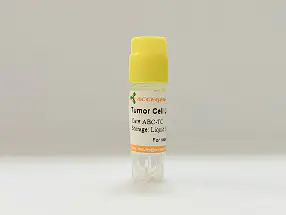
Product Image

Description

HPAF-II is a human pancreatic adenocarcinoma cell line derived from the ascitic fluid of a male. This cell line grows as adherent epithelial cells forming irregular monolayers. The cells express mucin genes Muc1 and Muc4 and secrete high levels of Muc1 glycoprotein. It forms well-differentiated adenocarcinomas in athymic mice, closely resembling the original tumor. HPAF-II is widely used in studies of pancreatic cancer biology, chemoresistance mechanisms, epithelial-mesenchymal transition (EMT), and targeted inhibitor evaluation. It also serves as a model for drug screening and for in vitro investigation of tumor-stroma interactions in pancreatic cancer. The cells undergo rigorous screening and isolation procedures, and are rigorously tested to ensure they are free of contamination from HIV-1, HBV, HCV, Syphilis, Mycoplasma, Fungi, Yeast, and Bacteria.

Product Code

HPAF II; HPAFII; HPAF-2; HPAF2; HPAF/CD18; CD18/HPAF; HPAF-II/CD18; CD-18; CD18; CD 18

Species

Human

Cat.No

ABC-TC0402

Product Category

Tumor Cell Lines

Size/Quantity

1 vial

Cell Type

Epithelial

Shipping Info

Dry Ice

Growth Conditions

37 ℃, 5% CO2

Source Organ

Pancreas

Disease

Pancreatic Ductal Adenocarinoma

Biosafety Level

1

Storage

Liquid Nitrogen

Product Type

Human Pancreas Cancer Cell Lines

Application

  • HPAF-II cells are applied in pancreatic cancer research involving Muc1/Muc4 biology, chemoresistance, EMT changes, and tumor-stroma interaction modeling. These cells also form well-differentiated adenocarcinomas in xenograft models, facilitating translational drug testing and targeted therapy evaluation. Their ability to recapitulate key features of human pancreatic tumors makes them a valuable tool for bridging preclinical and clinical research in this challenging disease area.

Citation

When you publish your research, please cite our product as “AcceGen Biotech Cat.# XXX-0000”. In return, we’ll give you a $200 coupon. Simply click here and submit your paper’s PubMed ID (PMID).

Inquiring HPAF-II

We know how valuable your research is to you, but are you wondering what you can expect to pay for quick accurate results every time? Fill out a request in the form below and we’ll get back to you within 24 hours with a quote.
High Viability
To succeed in cell culture
Precision and Reliability
To support a consistent result
Customization Options
Tailed to your research

Tags

AcceGen Scroll Top Button