

For research use only
| Cat No. | ABC-TC3033 |
| Product Type | Vascular Cells |
| Cell Type | Fibroblast |
| Species | Human |
| Growth Conditions | 37 ℃, 5% CO2 |
| Source Organ | Aortic Adventitia |
| Disease | Normal |
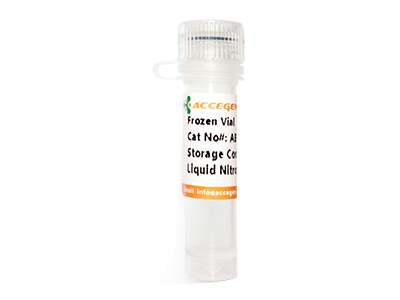
| Storage | Liquid Nitrogen |
Human Aortic Adventitial Fibroblasts are used to study vascular remodeling, aortic wall biology, and fibrosis-related mechanisms in cardiovascular models.
Human Aortic Adventitial Fibroblasts are primary fibroblasts isolated from the outermost layer of the human aorta and are well suited for cell culture aortic fibroblasts applications. These adherent, spindle-shaped cells are cryopreserved at early passage and retain their native morphology and function. Cells are isolated from healthy donor aortic tissue unless otherwise specified. As key structural components of the vascular adventitia, they contribute to extracellular matrix production and participate in vascular remodeling and inflammatory signaling . In pathological conditions such as atherosclerosis and aneurysm, they interact dynamically with immune cells and smooth muscle cells, influencing disease progression. These cells express fibroblast-specific markers such as vimentin and FSP-1, as verified by immunostaining or flow cytometry. Each lot undergoes rigorous screening and isolation procedures, and is rigorously tested to ensure it is free of contamination from HIV-1, HBV, HCV, Syphilis, Mycoplasma, Fungi, Yeast, and Bacteria.
| Product Code | Human Aortic Adventitial Fibroblasts, Human aortic adventitial fibroblasts, Aortic adventitial fibroblasts human |
| Species | Human |
| Cat.No | ABC-TC3033 |
| Product Category | Primary Cells |
| Size/Quantity | 1 vial |
| Cell Type | Fibroblast |
| Growth Mode | Adherent |
| Shipping Info | Dry Ice |
| Growth Conditions | 37 ℃, 5% CO2 |
| Source Organ | Aortic Adventitia |
| Disease | Normal |
| Biosafety Level | 1 |
| Storage | Liquid Nitrogen |
| Product Type | Vascular Cells |
| Quality Control | All cells test negative for mycoplasma, bacteria, yeast, and fungi. |
These fibroblasts serve as a relevant in vitro model for studying vascular fibrosis, inflammation, and aortic wall remodeling. They are suitable for research in cardiovascular diseases, biomaterial testing, and cell-matrix interaction studies under normal or stress-induced conditions. They can also be used in co-culture systems with endothelial or immune cells to model vascular inflammation.
When you publish your research, please cite our product as “AcceGen Biotech Cat.# XXX-0000”. In return, we’ll give you a $200 coupon. Simply click here and submit your paper’s PubMed ID (PMID).