



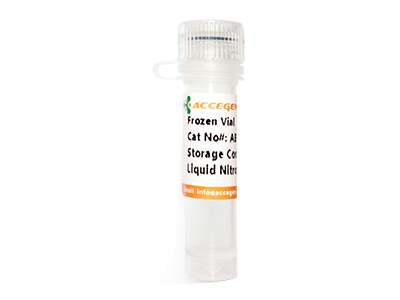
For research use only
| Cat No. | ABC-TC3491 |
| Product Type | Vascular Cells |
| Cell Type | Aortic Cell |
| Species | Human |
| Growth Conditions | 37 ℃, 5% CO2 |
| Source Organ | Aorta |
| Disease | Normal |
| Storage | Liquid Nitrogen |
Human aortic cells are derived from whole aorta that has been dissociated into single cells and cultured.
Human Aortic Cells are primary cells isolated from the whole aorta that has been dissociated into single cells and cultured. Human aortic cells are derived from a single donor. Following primary culture, these cells are cryopreserved. These cells regulate nitric oxide-dependent vasodilation, with smooth muscle cells contributing to vascular tone control. Their dysfunction drives atherosclerosis, aortic aneurysms, and hypertension. This heterogeneous population contains functional endothelial cells (CD31/vWF), vascular smooth muscle cells (α-SMA/calponin), and adventitial fibroblasts (vimentin/fibronectin), which collectively maintain vascular homeostasis and preserve aortic health. They exhibit limited proliferative capacity and require tissue-specific matrices for phenotype stability. Repeated freezing and thawing should be avoided during culture. The cells undergo rigorous screening and isolation procedures, and are rigorously tested to ensure they are free of contamination from HIV-1, HBV, HCV, Syphilis, Mycoplasma, Fungi, Yeast, and Bacteria.
| Product Code | Human Aortic Cells, Aorta Derived Cells Human, Human Aorta Primary Cells, Aortic Vascular Cells Human, HAoCs |
| Species | Human |
| Cat.No | ABC-TC3491 |
| Product Category | Primary Cells |
| Size/Quantity | 1 vial |
| Cell Type | Aortic Cell |
| Shipping Info | Dry Ice |
| Growth Conditions | 37 ℃, 5% CO2 |
| Source Organ | Aorta |
| Disease | Normal |
| Biosafety Level | 1 |
| Storage | Liquid Nitrogen |
| Product Type | Vascular Cells |
| Quality Control | All cells test negative for mycoplasma, bacteria, yeast, and fungi. |
Human Aortic Cells serve as a physiologically relevant in vitro model to study vascular pathogenesis in diseases such as atherosclerosis and aortic aneurysm. Their preserved cell-cell interactions enable investigation of endothelial dysfunction through TNF-α/NF-κB/VCAM-1 signaling pathways, monocyte adhesion mechanisms, and plaque initiation. Researchers can utilize this system for the screening of vasoprotective drugs and tissue-engineered grafts targeting endothelial dysfunction and matrix remodeling in aortic diseases. The model’s physiological relevance makes it particularly valuable for translational research bridging in vitro findings with clinical vascular pathologies.
When you publish your research, please cite our product as “AcceGen Biotech Cat.# XXX-0000”. In return, we’ll give you a $200 coupon. Simply click here and submit your paper’s PubMed ID (PMID).