


For research use only
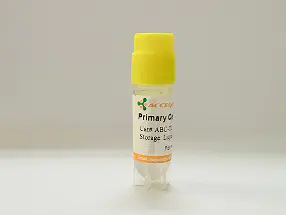
| Cat No. | ABC-TC4260 |
| Product Type | Adipose Cells/Preadipocytes |
| Cell Type | Adipocyte |
| Species | Human |
| Growth Conditions | 37 ℃, 5% CO2 |
| Source Organ | Subcutaneous |
| Disease | Normal |
| Storage | Liquid Nitrogen |
Harness Human Subcutaneous Preadipocytes and Adipocytes to study adipogenesis, lipid metabolism, and fat distribution across diverse patient profiles.
Human Subcutaneous Preadipocytes and Adipocytes are isolated from human subcutaneous adipose tissue. Cryopreserved at early passage, preadipocytes exhibit a fibroblast-like morphology in adherent monolayers, while mature adipocytes are non-adherent and non-proliferative. They function in energy storage, lipid metabolism, and secretion of adipokines, with relevance to obesity, type 2 diabetes, and metabolic syndrome. They express the preadipocyte surface marker CD29, and differentiated adipocytes are identified by perilipin and fatty acid-binding protein 4 (FABP4). Each lot undergoes rigorous screening and isolation procedures, and is rigorously tested to ensure it is free of contamination from HIV-1, HBV, HCV, Syphilis, Mycoplasma, Fungi, Yeast, and Bacteria.
| Product Code | Human Subcutaneous Preadipocytes and Adipocytes, Human SC Preadipocytes, Human Adipocytes |
| Species | Human |
| Cat.No | ABC-TC4260 |
| Product Category | Primary Cells |
| Size/Quantity | 1 vial |
| Cell Type | Adipocyte |
| Growth Mode | Adherent |
| Shipping Info | Dry Ice |
| Growth Conditions | 37 ℃, 5% CO2 |
| Source Organ | Subcutaneous |
| Disease | Normal |
| Biosafety Level | 1 |
| Storage | Liquid Nitrogen |
| Product Type | Adipose Cells/Preadipocytes |
| Quality Control | All cells test negative for mycoplasma, bacteria, yeast, and fungi. |
Human Subcutaneous Preadipocytes and Adipocytes can be used as an in vitro model to study metabolic disorders such as obesity and type 2 diabetes. For example, by investigating the molecular pathways of adipogenesis, lipid storage, and adipokine secretion, they provide a better understanding of subcutaneous fat’s physiological functions and pathological changes, aiding in exploring treatments for metabolic diseases.
When you publish your research, please cite our product as “AcceGen Biotech Cat.# XXX-0000”. In return, we’ll give you a $200 coupon. Simply click here and submit your paper’s PubMed ID (PMID).