

For research use only
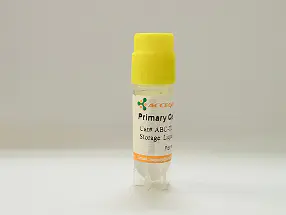
| Cat No. | ABC-TC4089 |
| Product Type | Rat Primary Cells |
| Cell Type | Neutrophil |
| Species | Rat |
| Growth Conditions | 37 ℃, 5% CO2 |
| Source Organ | Bone Marrow |
| Disease | Normal |
| Storage | Liquid Nitrogen |
Rat Bone Marrow Neutrophils (fresh cells in suspension),rat bone marrow neutrophils for immunology,inflammation, infection and hematology research studies.
The suspension cell culture protocol for primary immune cells requires culture conditions appropriate to their physiological characteristics and experimental applications. Rat Bone Marrow Neutrophils (Fresh Cells in Suspension) are freshly isolated primary myeloid cells from rat bone marrow, supplied in suspension for short-term research applications. Neutrophils are terminally differentiated granulocytes that participate in innate immune defense through chemotaxis, phagocytosis, reactive oxygen species (ROS) production, degranulation, and neutrophil extracellular trap (NET) formation. Unlike proliferating suspension cell lines, primary neutrophils do not undergo sustained proliferation in conventional culture and have a limited ex vivo lifespan. Accordingly, these cells are maintained in suspension for short-term viability maintenance and functional assays, rather than routine passaging or long-term expansion.
| Product Code | RBMNEUCs |
| Species | Rat |
| Cat.No | ABC-TC4089 |
| Product Category | Primary Cells |
| Size/Quantity | 1 vial |
| Cell Type | Neutrophil |
| Shipping Info | Dry Ice |
| Growth Conditions | 37 ℃, 5% CO2 |
| Source Organ | Bone Marrow |
| Disease | Normal |
| Biosafety Level | 1 |
| Storage | Liquid Nitrogen |
| Product Type | Rat Primary Cells |
| Quality Control | All cells test negative for mycoplasma, bacteria, yeast, and fungi. |
A suitable suspension cell culture protocol can support short-term experiments using rat bone marrow neutrophils, including neutrophil activation, chemotaxis, oxidative burst, cytokine responses, degranulation, and NETosis assays. Freshly isolated rat bone marrow neutrophils have been used to investigate NET formation and compare neutrophil responses under different experimental conditions. For functional assays, cells should be resuspended in a compatible culture medium and handled gently to minimize unintended activation. Cell concentration, viability, incubation time, and stimulation conditions should be optimized for the specific assay. Neutrophils are sensitive to their extracellular environment, and factors such as pH, temperature, oxygen availability, and medium composition can influence their behavior. Experimental conditions should therefore be validated for the cell preparation and endpoint being studied.
Rat bone marrow neutrophils support research in innate immunity, inflammation, host–pathogen interactions, oxidative stress, and neutrophil-mediated tissue injury. Their suspension growth mode facilitates the use of cell-based functional assays in which neutrophils are exposed to inflammatory stimuli, chemoattractants, or candidate therapeutic compounds. Studies of rat bone marrow-derived neutrophils have demonstrated their utility in investigating NETosis and associated extracellular DNA release. Because neutrophil activation and spontaneous cell death can affect experimental readouts, appropriate unstimulated controls, viability measurements, and time-matched comparisons are important for interpreting results.
Cell Receipt and Preparation (Handle the fresh cell suspension according to the supplier's instructions and the specified shipping conditions.) → Cell Resuspension (Gently resuspend the cells in a compatible medium recommended for the intended assay.) → Cell Counting and Viability Assessment (Determine cell concentration and viability before setting up experiments.) → Suspension Culture Setup (Distribute the cells into suitable culture vessels or assay plates and use the validated incubation conditions.) → Experimental Stimulation (Apply the selected chemoattractant, inflammatory stimulus, or test compound with appropriate controls.) → Functional Assay (Measure endpoints such as chemotaxis, ROS production, degranulation, or NET formation.) → Data Analysis (Interpret the results alongside viability data and unstimulated controls.)
When you publish your research, please cite our product as “AcceGen Biotech Cat.# XXX-0000”. In return, we’ll give you a $200 coupon. Simply click here and submit your paper’s PubMed ID (PMID).