



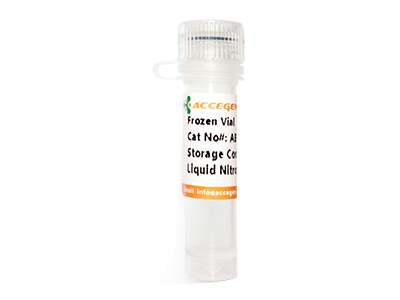
For research use only
| Cat No. | ABC-TC0984 |
| Product Type | Human Other Cell Lines |
| Cell Type | Epithelial |
| Species | Human |
| Growth Conditions | 37 ℃, 5% CO2 |
| Source Organ | Nose |
| Product Code | RPMI-2650 |
RPMI 2650 nasal epithelial cells express keratin, occludin, and claudin-1, modeling nasal barrier function, TEER, and allergen-induced responses.
RPMI 2650 cell line is a human squamous cell carcinoma (HSCC) model derived from a nasal septum tumor of a 52-year-old male patient, representing a rare in vitro system for studying head and neck cancers. This line is an epithelial cell line characterized by adherent, epithelial-like morphology with cobblestone growth patterns and form stratified layers under air-liquid interface (ALI) culture conditions. Mimicking the structure of nasal mucosa, these cells assemble into a polarized epithelium and showcase the presence of occludin, claudin-1, and E-cadherin, reminiscent of their natural counterparts. Additionally, these cells are proficient in TGF-beta secretion and display heightened responsiveness to stimuli such as HDM allergens and TNF-alpha, prompting amplified TGF-beta gene expression and subsequent protein release. RPMI 2650 retains tumorigenic characteristics, including aneuploid karyotype and invasive growth potential, while demonstrates limited metastatic propensity but remains valuable for modeling nasal mucosa biology and tumor-stroma interactions.
| Product Code | RPMI-2650 |
| Species | Human |
| Cat.No | ABC-TC0984 |
| Product Category | Tumor Cell Lines |
| Size/Quantity | 1 vial |
| Cell Type | Epithelial |
| Growth Mode | Adherent |
| Shipping Info | Dry Ice |
| Growth Conditions | 37 ℃, 5% CO2 |
| Source Organ | Nose |
| Biosafety Level | 1 |
| Storage | Liquid Nitrogen |
| Product Type | Human Other Cell Lines |
The RPMI 2650 cell line plays a pivotal role in advancing medical research by facilitating early assessments of innovative interventions aimed at addressing irregular reactions of upper airway structural cells. Serving as an in vitro model for nasal mucosa, this cell line proves invaluable for investigating drug permeability and screening potential nasal drug candidates. Moreover, its significance extends to studying the intricate regulation of TGF-beta biology, solidifying RPMI 2650 as a robust tool for enhancing our understanding of various therapeutic strategies.
When you publish your research, please cite our product as “AcceGen Biotech Cat.# XXX-0000”. In return, we’ll give you a $200 coupon. Simply click here and submit your paper’s PubMed ID (PMID).