



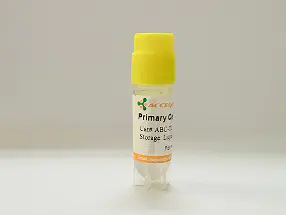
For research use only
| Cat No. | ABC-TC3049 |
| Product Type | Mouse Primary Cells |
| Cell Type | Endothelial |
| Species | B6129SF2/J Mouse |
| Growth Conditions | 37 ℃, 5% CO2 |
| Source Organ | Lung |
| Disease | Normal |
| Storage | Liquid Nitrogen |
Mouse primary lung endothelial cells (MPLUECs) are isolated from tissue of pathogen-free laboratory mice.
B6129SF2/J Mouse Lung Endothelial Cells are isolated from lung tissue of B6129SF2/J hybrid mice and represent a key component of the pulmonary vasculature. These primary endothelial cells form a confluent monolayer with a cobblestone-like morphology under standard culture conditions and express typical markers such as CD31 and VE-cadherin. Cells are non-tumorigenic and should be used at early passages with limited freeze-thaw cycles to maintain physiological relevance. They are essential for maintaining vascular barrier integrity, mediating immune cell trafficking, and regulating gas exchange and inflammation in the lung. Lung endothelial dysfunction has been implicated in acute lung injury, pulmonary hypertension, and sepsis-induced vascular leakage. Each lot undergoes rigorous screening and isolation procedures, and is rigorously tested to ensure it is free of contamination from Mycoplasma, Fungi, Yeast, and Bacteria.
| Product Code | B6129SF2/J Mouse Lung Endothelial Cells, B6129SF2/J LEC, B6-129F2 Lung ECs, B6129 Pulmonary ECs |
| Species | B6129SF2/J Mouse |
| Cat.No | ABC-TC3049 |
| Product Category | Primary Cells |
| Size/Quantity | 1 vial |
| Cell Type | Endothelial |
| Growth Mode | Adherent |
| Shipping Info | Dry Ice |
| Growth Conditions | 37 ℃, 5% CO2 |
| Source Organ | Lung |
| Disease | Normal |
| Biosafety Level | 1 |
| Storage | Liquid Nitrogen |
| Product Type | Mouse Primary Cells |
| Quality Control | All cells test negative for mycoplasma, bacteria, yeast, and fungi. |
B6129SF2/J Mouse Lung Endothelial Cells serve as a valuable in vitro model for investigating B6129SF2/J mouse lung endothelial physiology, including endothelial barrier regulation, leukocyte adhesion, and the molecular basis of pulmonary vascular diseases. They are widely used in inflammation, hypoxia, and permeability assays to investigate pathologies such as acute respiratory distress syndrome and pulmonary fibrosis. These cells enable detailed analysis of vascular permeability changes, cytokine-mediated signaling, and endothelial responses to hypoxic stress, supporting drug screening and mechanistic studies of pulmonary vascular dysfunction.
When you publish your research, please cite our product as “AcceGen Biotech Cat.# XXX-0000”. In return, we’ll give you a $200 coupon. Simply click here and submit your paper’s PubMed ID (PMID).