



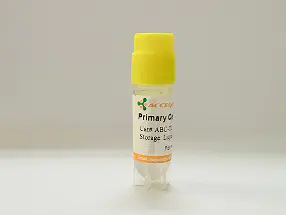
For research use only
| Cat No. | ABC-TC3152 |
| Product Type | Mouse Primary Cells |
| Cell Type | Liver Cell |
| Species | C57BL/10J Mouse |
| Growth Conditions | 37 ℃, 5% CO2 |
| Source Organ | Liver |
| Disease | Normal |
| Storage | Liquid Nitrogen |
Mouse primary liver cells (MPLIVCs) are isolated from tissue of pathogen-free laboratory mice.
C57BL/10J Mouse Liver Cells are derived from the liver tissue of C57BL/10J mice. Morphologically, these cells display a typical polygonal epithelial-like shape, abundant cytoplasm, and a moderate nuclear-to-cytoplasmic ratio. They often grow in a monolayer adherent manner and exhibit contact inhibition characteristics. Functionally, they exhibit key hepatic activities, including glycogen synthesis, urea cycle processes, drug metabolism, and detoxification. They also participate in maintaining hepatic metabolic homeostasis and contribute to the regulation of intracellular energy balance. These cells are valuable tools in hepatic system research, supporting mechanistic studies of liver diseases and evaluations of liver function in C57BL/10J mice. The cells undergo rigorous screening and isolation procedures, and are rigorously tested to ensure they are free of contamination from HIV-1, HBV, HCV, Syphilis, Mycoplasma, Fungi, Yeast, and Bacteria.
| Product Code | C57BL/10J Mouse Liver Cells, C57BL/10J LC, B10J Liver Cells, C57BL10J Hepatic Cells |
| Species | C57BL/10J Mouse |
| Cat.No | ABC-TC3152 |
| Product Category | Primary Cells |
| Size/Quantity | 1 vial |
| Cell Type | Liver Cell |
| Growth Mode | Adherent |
| Shipping Info | Dry Ice |
| Growth Conditions | 37 ℃, 5% CO2 |
| Source Organ | Liver |
| Disease | Normal |
| Biosafety Level | 1 |
| Storage | Liquid Nitrogen |
| Product Type | Mouse Primary Cells |
| Quality Control | All cells test negative for mycoplasma, bacteria, yeast, and fungi. |
C57BL/10J Mouse Liver Cells can be used to evaluate drug hepatotoxicity. By observing the morphological changes, activity changes, and related metabolic enzyme activities of cells under the action of drugs, the potential risk of drug damage to the liver can be predicted, and the screening of safe and effective drugs can be accelerated. They can also be used in liver regeneration research to examine cellular responses and regulatory signaling pathways during hepatic repair processes.
When you publish your research, please cite our product as “AcceGen Biotech Cat.# XXX-0000”. In return, we’ll give you a $200 coupon. Simply click here and submit your paper’s PubMed ID (PMID).