



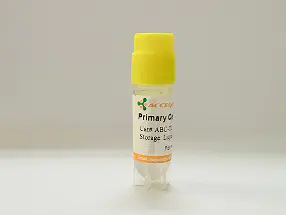
For research use only
| Cat No. | ABC-TC3174 |
| Product Type | Mouse Primary Cells |
| Cell Type | Neutrophil |
| Species | C57BL/6 Mouse |
| Growth Conditions | 37 ℃, 5% CO2 |
| Source Organ | Bone Marrow |
| Disease | Normal |
| Storage | Liquid Nitrogen |
Mouse Bone Marrow Neutrophils are derived from the tibias and femurs of pathogen-free laboratory adult mice.
C57BL/6 Mouse Bone Marrow Neutrophils are primary cells isolated from the tibias and femurs of pathogen-free laboratory mice and serve as a reliable model for C57BL/6 hematopoietic cell analysis. They primarily reside in the hematopoietic compartment of the bone marrow cavity in long and flat bones. Following primary culture, these cells are cryopreserved. These primary innate immune cells rapidly migrate to infection sites, eliminate pathogens through phagocytosis, reactive oxygen species (ROS) production, and neutrophil extracellular traps (NETs) formation (DNA traps). These neutrophils also modulate inflammatory responses via cytokine secretion (TNF-α, IL-1β), and contribute to tissue repair. They express CD11b. The cells undergo rigorous screening and isolation procedures, and are rigorously tested to ensure they are free of contamination from Mycoplasma, Fungi, Yeast, and Bacteria.
| Product Code | C57BL/6 Mouse Bone Marrow Neutrophils,Mouse Bone Marrow Neutrophils,Neutrophils,PMNs,BM-Neutrophils |
| Species | C57BL/6 Mouse |
| Cat.No | ABC-TC3174 |
| Product Category | Primary Cells |
| Size/Quantity | 1 vial |
| Cell Type | Neutrophil |
| Growth Mode | Suspension |
| Shipping Info | Dry Ice |
| Growth Conditions | 37 ℃, 5% CO2 |
| Source Organ | Bone Marrow |
| Disease | Normal |
| Biosafety Level | 1 |
| Storage | Liquid Nitrogen |
| Product Type | Mouse Primary Cells |
| Quality Control | All cells test negative for mycoplasma, bacteria, yeast, and fungi. |
C57BL/6 Mouse Bone Marrow Neutrophils can be used as an in vitro cell model to study the pathogenesis of systemic inflammatory conditions, particularly sepsis-induced multiple organ failure. For example, by investigating molecular pathways of neutrophil extracellular trap (NET) formation and associated tissue damage, this approach provides critical insights into dysregulated immune responses and pathological inflammation, enabling the development of targeted therapies to mitigate sepsis-induced organ injury.
When you publish your research, please cite our product as “AcceGen Biotech Cat.# XXX-0000”. In return, we’ll give you a $200 coupon. Simply click here and submit your paper’s PubMed ID (PMID).