



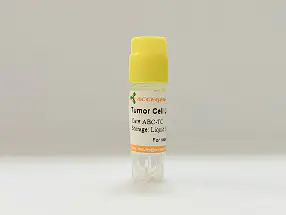
Tumor Cell Lines

CHO

  • For research use only

Cat No.

ABC-TC0135

Product Type

Cricetulus Griseus Ovarian Cell Lines

Cell Type

Epithelial

Species

Cricetulus Griseus

Growth Conditions

37 ℃, 5% CO2

Source Organ

Ovary

Product Code

Chinese Hamster Ovary; CHO-ori

Hamster Chinese ovary. A subclone of the parental CHO cell line originated by Puck in 1957. The cells have an absolute requirement for L-proline.

Product Image

Description

CHO cells originate from the ovary of a healthy Chinese hamster (Cricetulus griseus), first established in the 1950s. They grow as adherent epithelial-like cells, forming tight monolayers and exhibiting consistent morphology. CHO cells typically have a near-diploid karyotype and display remarkable genomic stability. They are proficient in protein glycosylation, expressing α1,6-fucosyltransferase and producing complex N-linked glycans—properties that make them a workhorse for recombinant protein expression and biotherapeutic production. CHO lines can be transfected efficiently and selected for high-yield clones. These cells are non-tumorigenic in nude mice yet robust under large-scale bioreactor culture. The cells undergo rigorous screening and isolation procedures, and are rigorously tested to ensure they are free of contamination from mycoplasma, fungi, yeast, and bacteria.

Product Code

Chinese Hamster Ovary; CHO-ori

Species

Cricetulus Griseus

Cat.No

ABC-TC0135

Product Category

Tumor Cell Lines

Size/Quantity

1 vial

Cell Type

Epithelial

Growth Mode

Adherent

Shipping Info

Dry Ice

Growth Conditions

37 ℃, 5% CO2

Source Organ

Ovary

Biosafety Level

1

Storage

Liquid Nitrogen

Product Type

Cricetulus Griseus Ovarian Cell Lines

Application

  • CHO cells are the premier host for manufacturing therapeutic proteins, monoclonal antibodies, enzymes, and vaccines. Their robust glycosylation machinery enables controlled human-like post-translational modifications, critical for biologic efficacy and safety. They are widely used in recombinant expression optimization, including gene amplification systems (e.g., DHFR selection) and protein engineering studies. CHO cells also serve as model systems for cell biology research—investigating gene regulation, signaling pathways, and stress responses. Their adaptability to suspension culture and scalable bioreactor systems makes them essential in bioprocess development, high-throughput screening, and GMP production pipelines.

Citation

When you publish your research, please cite our product as “AcceGen Biotech Cat.# XXX-0000”. In return, we’ll give you a $200 coupon. Simply click here and submit your paper’s PubMed ID (PMID).

Inquiring CHO

We know how valuable your research is to you, but are you wondering what you can expect to pay for quick accurate results every time? Fill out a request in the form below and we’ll get back to you within 24 hours with a quote.
High Viability
To succeed in cell culture
Precision and Reliability
To support a consistent result
Customization Options
Tailed to your research

Tags

AcceGen Scroll Top Button