



For research use only
| Cat No. | ABC-TC0210 |
| Product Type | Human Leukemia Cell Lines |
| Cell Type | Lymphoid |
| Species | Human |
| Growth Conditions | 37 ℃, 5% CO2 |
| Disease | Anaplastic Large Cell Lymphoma |
| Product Code | DL40 |
DL-40 cell line is a human-derived model used for cancer biology, molecular pathway analysis, and therapeutic research applications in vitro.
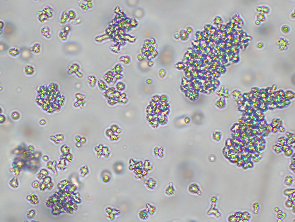
DL-40 is a human Ki-1(CD30)-positive T-cell lymphoma cell line that was originally isolated from the peripheral blood of a 64-year-old female patient with aggressive large cell lymphoma (ALCL). DL-40 grow in suspension, occasionally forming loose clumps, and display lymphoblast morphology with abundant cytoplasm and large, round or multinucleated nuclei. DL-40 is strongly positive for acid phosphatase and displays an immunophenotype of CD2⁺, CD4⁺, CD30⁺, CD45⁺, Ia⁺ (HLA-DR⁺), and E-rosette receptor (E⁺), along with a rearranged T-cell receptor β-chain, confirming its T-cell origin. Cytogenetic analysis reveals complex hyperdiploid abnormalities consistent with chromosomal instability typical of malignant lymphoma. DL-40 is tumorigenic in nude mice, forming histologically similar tumors upon transplantation, making it a valuable tool for studying ALCL biology, CD30 signaling, and T-cell lymphoma pathogenesis. This cell line is particularly useful for drug testing, immunotherapy research (e.g., anti-CD30 therapies), and investigating molecular mechanisms of lymphomagenesis.
| Product Code | DL40 |
| Species | Human |
| Cat.No | ABC-TC0210 |
| Product Category | Tumor Cell Lines |
| Size/Quantity | 1 vial |
| Cell Type | Lymphoid |
| Shipping Info | Dry Ice |
| Growth Conditions | 37 ℃, 5% CO2 |
| Disease | Anaplastic Large Cell Lymphoma |
| Biosafety Level | 1 |
| Storage | Liquid Nitrogen |
| Product Type | Human Leukemia Cell Lines |
DL‑40 serves as a robust in vitro model for studying pathobiology and therapeutic targeting of Ki‑1‑positive anaplastic large cell lymphoma. Its CD30 expression makes it highly relevant for evaluating CD30‑targeted therapies, such as antibody‑drug conjugates or CAR‑T strategies. The suspension growth and lymphoblast morphology also facilitate mechanistic studies on lymphoma cell survival, proliferation, and signal transduction. The cell line is also utilized for studying tumor microenvironment interactions, biomarker discovery, and developing xenograft models that recapitulate human DLBCL progression.
When you publish your research, please cite our product as “AcceGen Biotech Cat.# XXX-0000”. In return, we’ll give you a $200 coupon. Simply click here and submit your paper’s PubMed ID (PMID).