



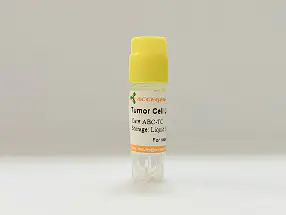
For research use only
| Cat No. | ABC-TC0364 |
| Product Type | Human Uterine Cancer Cell Lines |
| Cell Type | Epithelial |
| Species | Human |
| Growth Conditions | 37 ℃, 5% CO2 |
| Source Organ | Cervix |
| Disease | Cervix Cancer |
| Product Code | Hep-2; HEP-2; Hep2 (HeLa derivative); HEp-2/HeLa; Hep 2; Hep2; HEp2; HEP2; H.Ep.-2; H.Ep. #2; H.Ep. No. 2; Hep II; Human Epidermoid carcinoma #2; Human Epithelioma-2 |
Hep2 Cervix Carcinoma Cells originate from human laryngeal tumors and are useful in studying epithelial cancer biology and therapeutic responses.
Hep2 is a human epithelial cancer cell line that was initially believed to originate from a male patient with laryngeal carcinoma but was later identified as a HeLa contaminant. This cell line grows as an adherent monolayer with a keratin-positive epithelial phenotype and stably expresses HPV-18 sequences. Karyotypic analysis of this cell line reveals occasional polyploidy. Hep2 cell line is widely used in virology, host-pathogen interaction studies, diagnostic antibody assays, and cancer biology research. The cells undergo rigorous screening and isolation procedures, and are rigorously tested to ensure they are free of contamination from HIV-1, HBV, HCV, Syphilis, Mycoplasma, Fungi, Yeast, and Bacteria.
| Product Code | Hep-2; HEP-2; Hep2 (HeLa derivative); HEp-2/HeLa; Hep 2; Hep2; HEp2; HEP2; H.Ep.-2; H.Ep. #2; H.Ep. No. 2; Hep II; Human Epidermoid carcinoma #2; Human Epithelioma-2 |
| Species | Human |
| Cat.No | ABC-TC0364 |
| Product Category | Tumor Cell Lines |
| Size/Quantity | 1 vial |
| Cell Type | Epithelial |
| Growth Mode | Adherent |
| Shipping Info | Dry Ice |
| Growth Conditions | 37 ℃, 5% CO2 |
| Source Organ | Cervix |
| Disease | Cervix Cancer |
| Biosafety Level | 1 |
| Storage | Liquid Nitrogen |
| Product Type | Human Uterine Cancer Cell Lines |
Hep2 cells, originally derived from laryngeal carcinoma but widely recognized as HeLa-derived epithelial cells, are used in host-pathogen interaction studies, particularly virology. These cells support viral entry and replication assays, immunofluorescence-based infection models, and response to antiviral compounds. The consistent epithelial phenotype and cytokeratin expression also make Hep2 valuable for developing diagnostic assays and evaluating epithelial barrier integrity in cancer and microbial research.
When you publish your research, please cite our product as “AcceGen Biotech Cat.# XXX-0000”. In return, we’ll give you a $200 coupon. Simply click here and submit your paper’s PubMed ID (PMID).