



Primary Cells

Human Aortic Adventitia Fibroblasts

  • For research use only

Cat No.

ABC-TC3490

Product Type

Vascular Cells

Cell Type

Fibroblast

Species

Human

Growth Conditions

37 ℃, 5% CO2

Source Organ

Aorta

Disease

Normal

Storage

Liquid Nitrogen

Fibroblasts are mesenchymal cells which derived from the embryonic mesoderm.

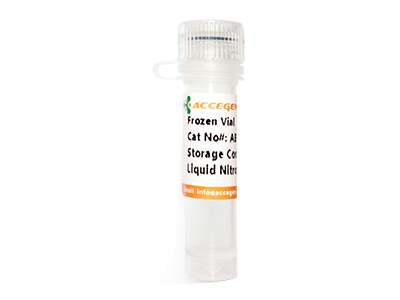
Product Image

Description

Human Aortic Adventitia Fibroblasts are primary cells isolated from the tunica externa of human ascending or descending aorta. Following primary culture, these cells are cryopreserved. These cells exhibit a characteristic spindle-shaped morphology and grow as adherent monolayers. These cells are widely utilized to investigate the role of fibroblasts in aortic diseases, as they play critical roles in vascular remodeling through collagen/elastin synthesis and cytokine secretion (e.g., TGF-β, IL-6). Their pathological activation contributes to fibrosis in aortic adventitia, aortic aneurysms, atherosclerosis progression, and vascular stiffening in hypertension. Human Aortic Adventitia Fibroblasts express fibroblast markers vimentin and collagen I. To preserve optimal performance, repeated freezing and thawing should be avoided during culture. The cells undergo rigorous screening and isolation procedures, and are rigorously tested to ensure they are free of contamination from HIV-1, HBV, HCV, Syphilis, Mycoplasma, Fungi, Yeast, and Bacteria.

Product Code

Human Aortic Adventitia Fibroblasts, Aortic Adventitial Fibroblasts Human, HAAFs, Adventitial Fibroblasts Aorta, Human Aorta Adventitia Cells

Species

Human

Cat.No

ABC-TC3490

Product Category

Primary Cells

Size/Quantity

1 vial

Cell Type

Fibroblast

Growth Mode

Adherent

Shipping Info

Dry Ice

Growth Conditions

37 ℃, 5% CO2

Source Organ

Aorta

Disease

Normal

Biosafety Level

1

Storage

Liquid Nitrogen

Product Type

Vascular Cells

Quality Control

All cells test negative for mycoplasma, bacteria, yeast, and fungi.

Application

  • Human Aortic Adventitia Fibroblasts serve as a critical in vitro model to study vascular remodeling mechanisms typically in aortic aneurysms and hypertension-induced arterial stiffening. Their responsiveness to TGF-β1/Smad3 signaling enables detailed investigation of adventitial fibrosis in aortic aneurysms, extracellular matrix (ECM) dysregulation, and inflammatory crosstalk in atherosclerosis. These cells are particularly valuable for screening of anti-fibrotic agents (e.g., pirfenidone) and mechanotransduction modulators targeting pathological stiffening. The model provides crucial insights bridging basic vascular biology with clinical therapeutic development.

Citation

When you publish your research, please cite our product as “AcceGen Biotech Cat.# XXX-0000”. In return, we’ll give you a $200 coupon. Simply click here and submit your paper’s PubMed ID (PMID).

Inquiring Human Aortic Adventitia Fibroblasts

We know how valuable your research is to you, but are you wondering what you can expect to pay for quick accurate results every time? Fill out a request in the form below and we’ll get back to you within 24 hours with a quote.
High Viability
To succeed in cell culture
Precision and Reliability
To support a consistent result
Customization Options
Tailed to your research

Tags

AcceGen Scroll Top Button