



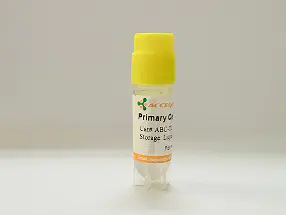
For research use only
| Cat No. | ABC-TC4300 |
| Product Type | Blood Products |
| Cell Type | Peripheral Blood |
| Species | Human |
| Growth Conditions | 37 ℃, 5% CO2 |
| Source Organ | Peripheral Blood |
| Disease | Hepatitis C Virus |
| Storage | 4℃ |
Hepatitis C (HCV) primarily causes a long-lasting liver disease.
Human Hepatitis C PB is derived from the peripheral blood of individuals with chronic hepatitis C virus (HCV) infection. This peripheral blood sample contains diverse immune cells, such as virus-specific T lymphocytes, B cells, and monocytes, which play essential roles in the immune response to HCV and the progression of liver inflammation. The product is suitable for studying immune exhaustion, cytokine signaling, and evaluating novel therapies including direct-acting antivirals and immunomodulatory agents. Each lot undergoes rigorous screening and isolation procedures, and is rigorously tested to ensure it is free of contamination from HIV-1, HBV, HCV, Syphilis.
| Product Code | Human Hepatitis C PB, hHCV-PB, Peripheral Blood from Hepatitis C Patients |
| Species | Human |
| Cat.No | ABC-TC4300 |
| Product Category | Primary Cells |
| Size/Quantity | 1 pack |
| Cell Type | Peripheral Blood |
| Shipping Info | ice pack |
| Growth Conditions | 37 ℃, 5% CO2 |
| Source Organ | Peripheral Blood |
| Disease | Hepatitis C Virus |
| Storage | 4℃ |
| Product Type | Blood Products |
| Quality Control | All cells test negative for mycoplasma, bacteria, yeast, and fungi. |
Human Hepatitis C Peripheral Blood is a valuable biospecimen for exploring systemic immune responses during HCV infection. This sample is used to analyze immune cell phenotypes, study interferon-stimulated pathways, and assess patient-specific immune signatures. It supports translational research into chronic liver disease progression, immune escape, and biomarker development for therapeutic response monitoring.
When you publish your research, please cite our product as “AcceGen Biotech Cat.# XXX-0000”. In return, we’ll give you a $200 coupon. Simply click here and submit your paper’s PubMed ID (PMID).