



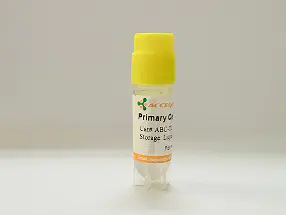
For research use only
| Cat No. | ABC-TC4304 |
| Product Type | Blood Products |
| Cell Type | Peripheral Blood |
| Species | Human |
| Growth Conditions | 37 ℃, 5% CO2 |
| Source Organ | Peripheral Blood |
| Disease | Hepatitis I Virus |
| Storage | 4℃ |
Human HIV-2 PB supports virology studies of HIV-2 immune response, disease progression, and comparative pathogenesis against HIV-1 in blood-derived cells.
Human HIV-2 PB is isolated from peripheral blood of individuals infected with HIV-2. HIV-2 infection is characterized by robust antiviral T cell responses and relatively preserved immune function, making peripheral blood mononuclear cells (PBMCs) from these donors valuable for studying long-term non-progression. HIV-2 PB samples support research into differential host immunity, including the mechanisms underlying control of viremia and maintenance of CD4+ T cell counts. Each lot undergoes rigorous screening and isolation procedures, and is rigorously tested to ensure it is free of contamination from HIV-1, HBV, HCV, Syphilis.
| Product Code | Human HIV-2 PB, hHIV2-PB, Peripheral Blood from HIV-2 Patients |
| Species | Human |
| Cat.No | ABC-TC4304 |
| Product Category | Primary Cells |
| Size/Quantity | 1 pack |
| Cell Type | Peripheral Blood |
| Shipping Info | Ice pack |
| Growth Conditions | 37 ℃, 5% CO2 |
| Source Organ | Peripheral Blood |
| Disease | Hepatitis I Virus |
| Storage | 4℃ |
| Product Type | Blood Products |
| Quality Control | All cells test negative for mycoplasma, bacteria, yeast, and fungi. |
Human HIV-2 Peripheral Blood provides valuable insights into T cell activation, memory phenotypes, and cytokine secretion in HIV-2 infection. This model supports research on viral latency, host restriction factors, and vaccine response evaluation. It allows comparison of immune mechanisms with HIV-1 and contributes to understanding the natural control of viral replication.
When you publish your research, please cite our product as “AcceGen Biotech Cat.# XXX-0000”. In return, we’ll give you a $200 coupon. Simply click here and submit your paper’s PubMed ID (PMID).