



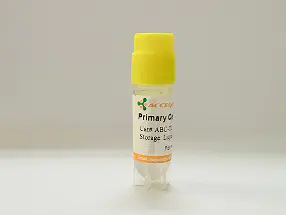
For research use only
| Cat No. | ABC-TC3698 |
| Product Type | Melanocyte |
| Cell Type | Melanocyte |
| Species | Human |
| Growth Conditions | 37 ℃, 5% CO2 |
| Source Organ | Skin |
| Disease | Normal |
| Storage | Liquid Nitrogen |
Primary Human Melanocyte Cells are pooled primary isolates from 250 individual human foreskins.
Human Melanocytes, Neonatal are primary human skin melanocytes derived from neonatal tissue. Melanocytes are pigment-producing cells located primarily in the epidermal basal layer, where they synthesize melanin within melanosomes and transfer pigment to surrounding keratinocytes as part of the epidermal melanin unit. These cells contribute to skin pigmentation, photoprotection against ultraviolet radiation, oxidative stress responses, and epidermal homeostasis. Neonatal human melanocytes provide a physiologically relevant in vitro model for studying melanogenesis, melanocyte-keratinocyte interactions, pigmentation regulation, UV-related cellular responses, and melanoma-associated biological processes. These cells are characterized by positive expression of Mel5.
| Product Code | Human Melanocytes, Primary Human Melanocytes, Cutaneous Melanocytes Human, HEMs, Human Skin Pigment Cells |
| Species | Human |
| Cat.No | ABC-TC3698 |
| Product Category | Primary Cells |
| Size/Quantity | 1 vial |
| Cell Type | Melanocyte |
| Growth Mode | Adherent |
| Shipping Info | Dry Ice |
| Growth Conditions | 37 ℃, 5% CO2 |
| Source Organ | Skin |
| Disease | Normal |
| Biosafety Level | 1 |
| Storage | Liquid Nitrogen |
| Product Type | Melanocyte |
| Quality Control | All cells test negative for mycoplasma, bacteria, yeast, and fungi. |
Human Melanocytes, Neonatal can be used for studies of human skin pigmentation, melanogenesis regulation, melanocyte-keratinocyte communication, UV-induced cellular responses, oxidative stress, pigmentation disorders, and melanoma-related research. They are also suitable for evaluating cosmetic or pharmaceutical compounds that may affect melanocyte viability, melanin production, pigment synthesis, or pigment-transfer pathways in an in vitro human skin cell model.
When you publish your research, please cite our product as “AcceGen Biotech Cat.# XXX-0000”. In return, we’ll give you a $200 coupon. Simply click here and submit your paper’s PubMed ID (PMID).