


For research use only
| Cat No. | ABC-TC3852 |
| Product Type | Vascular Cells |
| Cell Type | Endothelial |
| Species | Human |
| Growth Conditions | 37 ℃, 5% CO2 |
| Source Organ | Umbilical Vein |
| Disease | Normal |
| Storage | Liquid Nitrogen |
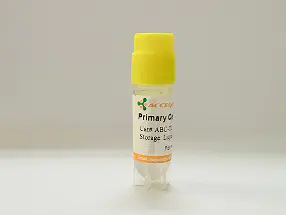
HUVEC are isolated from human umbilical cords, cultured on plastic and cryopreserved as primary cells.
Human Umbilical Vein Endothelial Cells (HUVECs), 10-Donor Pool, are derived from human umbilical veins. These cells exhibit a classic cobblestone-like morphology when confluent, typical of endothelial cells, and display a spindle-shaped or polygonal appearance in sparse cultures. The cells play a critical role in maintaining vascular homeostasis and regulating blood vessel permeability, angiogenesis, and inflammatory responses. Due to their relevance in endothelial dysfunction, HUVECs are extensively used in research on atherosclerosis, hypertension, diabetes-related vascular complications, and tumor angiogenesis. These cells are characterized by high expression of CD31. The cells are rigorously tested to ensure they are free of contamination from HIV-1, HBV, HCV, syphilis, mycoplasma, fungi, yeast, and bacteria.
| Product Code | Human Umbilical Vein Endothelial Cells, 10-Donor Pool, HUVECs (10-Donor Pool), Pooled HUVECs, Multi-Donor Umbilical Vein ECs |
| Species | Human |
| Cat.No | ABC-TC3852 |
| Product Category | Primary Cells |
| Size/Quantity | 1 vial |
| Cell Type | Endothelial |
| Growth Mode | Adherent |
| Shipping Info | Dry Ice |
| Growth Conditions | 37 ℃, 5% CO2 |
| Source Organ | Umbilical Vein |
| Disease | Normal |
| Biosafety Level | 1 |
| Storage | Liquid Nitrogen |
| Product Type | Vascular Cells |
| Quality Control | All cells test negative for mycoplasma, bacteria, yeast, and fungi. |
Human Umbilical Vein Endothelial Cells, 10-Donor Pool are extensively utilized in biomedical research due to their relevance in vascular biology and disease modeling. Their primary applications include studying angiogenesis, where they form capillary-like tubes in vitro, making them ideal for screening anti-angiogenic drugs for cancer therapy. In cardiovascular research, they are used to investigate endothelial dysfunction, atherosclerosis, and hypertension by analyzing oxidative stress, inflammation, and nitric oxide signaling.
When you publish your research, please cite our product as “AcceGen Biotech Cat.# XXX-0000”. In return, we’ll give you a $200 coupon. Simply click here and submit your paper’s PubMed ID (PMID).