




For research use only
| Cat No. | ABC-TC0451 |
| Product Type | Human Lung Cell Lines |
| Species | Human |
| Growth Conditions | 37 ℃, 5% CO2 |
| Product Code | IMR90, IMR 90, imr-90 |
Tumorigenecity: Isoenzyme: G6PD,BHistopathology: normalSubculture: Split ratio: Media change: Reverse transcritase: negativeProduction
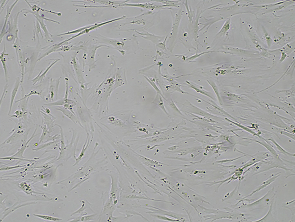
IMR-90 is a human diploid fibroblast cell strain originally derived from normal lung tissue of a 16-week-old female fetus. It exhibits typical fibroblast-like morphology with elongated, spindle-shaped cells and grows as adherent monolayers under standard culture conditions. IMR-90 cells maintain a normal diploid karyotype. IMR-90 cell line has been widely used to study cellular aging and senescence pathways, including the accumulation of senescent phenotypes and DNA damage responses during in vitro aging. They are also recognized for expressing structural proteins of the cytoskeleton and junctional complexes typical of lung fibroblasts. The cells undergo rigorous screening and isolation procedures, and are rigorously tested to ensure they are free of contamination from HIV-1, HBV, HCV, Syphilis, Mycoplasma, Fungi, Yeast, and Bacteria.
| Product Code | IMR90, IMR 90, imr-90 |
| Species | Human |
| Cat.No | ABC-TC0451 |
| Product Category | Tumor Cell Lines |
| Size/Quantity | 1 vial |
| Shipping Info | Dry Ice |
| Growth Conditions | 37 ℃, 5% CO2 |
| Biosafety Level | 1 |
| Storage | Liquid Nitrogen |
| Product Type | Human Lung Cell Lines |
IMR-90 cells are used as an in vitro model of normal human lung fibroblasts for investigating cellular aging, senescence mechanisms, cytoskeletal dynamics, and gene regulation in non-malignant contexts. They support studies of senescence-associated pathways, DNA damage responses, and epigenomic regulation in normal human diploid cells, providing contrast to transformed cancer cell models.
When you publish your research, please cite our product as “AcceGen Biotech Cat.# XXX-0000”. In return, we’ll give you a $200 coupon. Simply click here and submit your paper’s PubMed ID (PMID).