



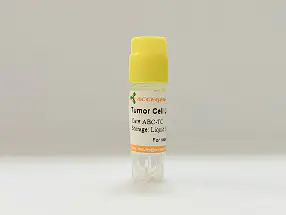
For research use only
| Cat No. | ABC-TC0494 |
| Product Type | Human Uterine Cancer Cell Lines |
| Cell Type | Epithelial-like |
| Species | Human |
| Growth Conditions | 37 ℃, 5% CO2 |
| Source Organ | Cervix |
| Product Code | KB (HeLa derivative); HeLa-KB; Strain KB |
Human cervix carcinoma. Originally derived from an epidermoid carcinoma of the mouth of an adult male Caucasian.
KB is a human epithelial‑like cancer cell line historically believed to be derived from an epidermoid carcinoma of the mouth of an adult male Caucasian, but subsequent isoenzyme analysis, identification of HeLa marker chromosomes, and DNA fingerprinting have shown that KB is a HeLa derivative originating from cervical adenocarcinoma rather than an independent oral carcinoma. The cells grow as adherent epithelial monolayers and express keratin, consistent with an epithelial phenotype, and have been reported to contain human papillomavirus 18 (HPV‑18) sequences, reflecting their lineage relationship with HeLa. Owing to their HeLa derivation and documented misidentification issues in the literature, KB cells are considered a model of cervical carcinoma biology with characteristics similar to HeLa, and authentication is recommended prior to experimental use. Evidence for specific in vivo metastatic behavior is not a defining feature. The cells undergo rigorous screening and isolation procedures, and are rigorously tested to ensure they are free of contamination from HIV‑1, HBV, HCV, Syphilis, Mycoplasma, Fungi, Yeast, and Bacteria.
| Product Code | KB (HeLa derivative); HeLa-KB; Strain KB |
| Species | Human |
| Cat.No | ABC-TC0494 |
| Product Category | Tumor Cell Lines |
| Size/Quantity | 1 vial |
| Cell Type | Epithelial-like |
| Growth Mode | Adherent |
| Shipping Info | Dry Ice |
| Growth Conditions | 37 ℃, 5% CO2 |
| Source Organ | Cervix |
| Biosafety Level | 1 |
| Storage | Liquid Nitrogen |
| Product Type | Human Uterine Cancer Cell Lines |
KB is used as an in vitro model of human epithelial carcinoma for studies of epithelial cell behavior, cancer biology, and mechanisms of viral DNA integration and expression. It supports investigation of cellular adhesion and proliferation pathways, HPV‑associated genomic features, signal transduction in epithelial cancers, and comparative analyses with other HeLa derivatives and cervical carcinoma models. KB cells also serve in pharmacological screening and functional assays related to epithelial tumor responses.
When you publish your research, please cite our product as “AcceGen Biotech Cat.# XXX-0000”. In return, we’ll give you a $200 coupon. Simply click here and submit your paper’s PubMed ID (PMID).