



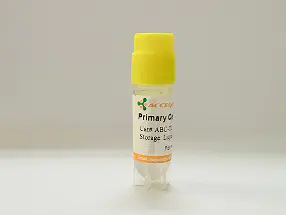
For research use only
| Cat No. | ABC-HP030X |
| Product Type | Rat Primary Cells |
| Cell Type | Kupffer Cell |
| Species | Sprague-Dawley Rat |
| Growth Conditions | 37 ℃, 5% CO2 |
| Source Organ | Liver |
| Disease | Normal |
| Storage | Liquid Nitrogen |
Rat Liver Kupffer Cells: Non-proliferative, cryopreserved primary rat liver macrophages vital for immune surveillance and phagocytosis.
Rat Liver Kupffer Cells are specialized macrophages isolated from the sinusoidal lining of healthy rat livers and cryopreserved following primary culture. These stellate, non-proliferative kupffer cells in liver serve as key mediators of hepatic immune surveillance, phagocytosis, and clearance of pathogens, apoptotic cells, and cellular debris. Kupffer cells express characteristic markers such as CD68, F4/80, and CD163, and secrete immunomodulatory cytokines including TNF-α, IL-6, and IL-10. They play a central role in maintaining liver homeostasis, regulating rat liver function, and contribute to the pathogenesis of liver diseases such as alcoholic liver disease, non-alcoholic fatty liver disease, and metal-induced hepatotoxicity. Due to their immunological function and crosstalk with hepatocytes, they are widely used in studies of liver inflammation, drug metabolism, and toxicology. Kupffer cells cannot be subcultured and should not be subjected to repeated freeze-thaw cycles to maintain functional integrity.
| Species | Sprague-Dawley Rat |
| Cat.No | ABC-HP030X |
| Product Category | Primary Cells |
| Size/Quantity | 1 vial |
| Cell Type | Kupffer Cell |
| Growth Mode | Adherent |
| Shipping Info | Dry Ice |
| Growth Conditions | 37 ℃, 5% CO2 |
| Source Organ | Liver |
| Disease | Normal |
| Storage | Liquid Nitrogen |
| Product Type | Rat Primary Cells |
| Quality Control | All cells test negative for mycoplasma, bacteria, yeast, and fungi. |
Rat Liver Kupffer Cells are instrumental in studying liver physiology and pathology. They are used to evaluate immune activation and inflammatory responses, particularly in preclinical studies of biologics and immunomodulators. When integrated into co-culture or 3D models with hepatocytes, these cells help simulate in vivo liver structure and function, enhancing the relevance and predictability of liver toxicity and drug metabolism studies.
When you publish your research, please cite our product as “AcceGen Biotech Cat.# XXX-0000”. In return, we’ll give you a $200 coupon. Simply click here and submit your paper’s PubMed ID (PMID).
Kupffer cells are liver-resident macrophages that mediate phagocytosis of pathogens, cellular debris, and senescent red blood cells. They regulate hepatic immune responses, inflammation, and contribute to liver homeostasis and detoxification processes.