

For research use only
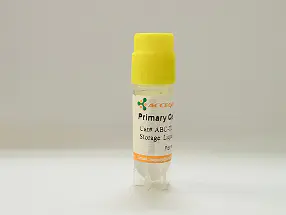
| Cat No. | ABC-TC4024 |
| Product Type | Rat Primary Cells |
| Cell Type | Hepatocyte |
| Species | Rat |
| Growth Conditions | 37 ℃, 5% CO2 |
| Source Organ | Liver |
| Disease | Normal |
| Storage | Liquid Nitrogen |
AcceGen offers an assortment of various human and non-human hepatic derived cells.
Rat hepatocytes are primary liver parenchymal cells isolated from rat liver and widely used to investigate hepatic physiology, xenobiotic metabolism, and liver toxicity. As the major metabolic cells of the liver, hepatocytes perform essential functions, including drug biotransformation, nutrient metabolism, and the synthesis and secretion of liver-associated proteins. Rat Plateable Hepatocytes are designed for attachment-based culture, providing a cellular model for studies of cytochrome P450 (CYP450) enzyme activity, metabolic enzyme induction, and compound-associated cytotoxicity. Primary rat hepatocytes can retain important hepatic metabolic functions in vitro, although enzyme activity and cellular phenotype may change with culture duration and culture conditions.
| Product Code | Rat Plateable Hepatocytes, Adherent Rat Hepatocytes, Primary Rat Hepatocytes Plateable, Rat Liver Parenchymal Cells |
| Species | Rat |
| Cat.No | ABC-TC4024 |
| Product Category | Primary Cells |
| Size/Quantity | 1 vial |
| Cell Type | Hepatocyte |
| Growth Mode | Adherent |
| Shipping Info | Dry Ice |
| Growth Conditions | 37 ℃, 5% CO2 |
| Source Organ | Liver |
| Disease | Normal |
| Biosafety Level | 1 |
| Storage | Liquid Nitrogen |
| Product Type | Rat Primary Cells |
| Quality Control | All cells test negative for mycoplasma, bacteria, yeast, and fungi. |
Rat hepatocytes can be used in drug metabolism studies, hepatotoxicity screening, CYP450 enzyme activity assays, drug–drug interaction research, and investigations of xenobiotic-induced enzyme regulation. Plateable primary hepatocytes can be cultured in formats such as multiwell plates for compound exposure and functional assessment. Studies have shown that extracellular matrix configuration influences CYP enzyme activity and inducibility in cultured rat hepatocytes, with collagen/Matrigel sandwich cultures supporting the maintenance of selected enzyme activities under the conditions investigated. These models can also help researchers assess metabolism-mediated toxicity, in which enzymatic biotransformation contributes to a compound’s observed cytotoxic effects. Culture conditions, seeding procedures, and assay timing should be optimized for the intended endpoint.
Rat hepatocytes support research in hepatic drug metabolism, liver toxicology, xenobiotic biotransformation, and metabolic enzyme regulation. CYP450 enzymes contribute to the oxidative metabolism of many compounds, and their expression and activity can be affected by enzyme-inducing agents and the culture environment. Research using primary rat hepatocytes has demonstrated that extracellular matrix composition and medium formulation can influence CYP enzyme activity and induction responses. This makes plateable hepatocytes useful for investigating compound-dependent changes in hepatic metabolism and evaluating potential metabolic liabilities. Because primary hepatocytes may undergo functional changes during in vitro culture, results should be interpreted alongside cell viability, culture duration, and appropriate assay controls.
Cell Thawing and Preparation (Thaw and handle the plateable hepatocytes according to the supplier's product-specific instructions.) → Cell Seeding (Seed the cells at an appropriate density in a compatible culture vessel.) → Cell Attachment and Recovery (Allow the cells to attach and recover under the recommended culture conditions.) → Culture Maintenance (Maintain the cells in a validated hepatocyte culture medium and monitor morphology and viability.) → Experimental Treatment (Expose the cells to test compounds, enzyme inducers, or other experimental agents.) → Functional Assessment (Measure CYP450 activity, metabolic conversion, cytotoxicity, or other relevant hepatic endpoints.) → Data Analysis (Compare treatment and control groups while accounting for culture duration and assay-specific controls.)
When you publish your research, please cite our product as “AcceGen Biotech Cat.# XXX-0000”. In return, we’ll give you a $200 coupon. Simply click here and submit your paper’s PubMed ID (PMID).