



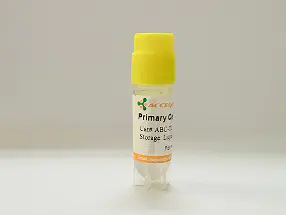
For research use only
| Cat No. | ABC-TC4223 |
| Product Type | Rat Primary Cells |
| Cell Type | Splenocyte |
| Species | Rat |
| Growth Conditions | 37 ℃, 5% CO2 |
| Source Organ | Spleen |
| Disease | Normal |
| Storage | Liquid Nitrogen |
Rat spleen is mechanically dissociated into a single cell suspension.
Rat Splenocytes are isolated from the spleen tissue of normal adult rats, comprising a mixed population of immune cells including T lymphocytes, B lymphocytes, natural killer cells, and natural killer T cells. These cells exist as suspension cells with diverse morphologies—small, round lymphocytes and larger phagocytic cells. Splenocytes mediate adaptive and innate immune responses, including antibody production, cytokine secretion, and antigen presentation, making them relevant to studies on autoimmune diseases, infectious diseases, and immune deficiency disorders. Each lot undergoes rigorous screening and isolation procedures, and is rigorously tested to ensure it is free of contamination from Mycoplasma, Fungi, Yeast, and Bacteria.
| Product Code | Rat Splenocytes, Rat Spleen Mononuclear Cells, Splenocytes |
| Species | Rat |
| Cat.No | ABC-TC4223 |
| Product Category | Primary Cells |
| Size/Quantity | 1 vial |
| Cell Type | Splenocyte |
| Growth Mode | Adherent |
| Shipping Info | Dry Ice |
| Growth Conditions | 37 ℃, 5% CO2 |
| Source Organ | Spleen |
| Disease | Normal |
| Biosafety Level | 1 |
| Storage | Liquid Nitrogen |
| Product Type | Rat Primary Cells |
| Quality Control | All cells test negative for mycoplasma, bacteria, yeast, and fungi. |
Rat Splenocytes serve as an in vitro model to investigate the general immune responses and dysfunction associated with sepsis, autoimmunity, and viral challenge. For example, by analyzing T and B cell activation pathways and cytokine secretion, they enhance understanding of splenic immune responses and pathological changes, aiding in exploring therapies for immune-related disorders.
When you publish your research, please cite our product as “AcceGen Biotech Cat.# XXX-0000”. In return, we’ll give you a $200 coupon. Simply click here and submit your paper’s PubMed ID (PMID).