


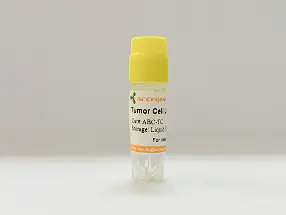
For research use only
| Cat No. | ABC-TC1020 |
| Product Type | Human Uterine Cancer Cell Lines |
| Cell Type | Epithelial |
| Species | Human |
| Growth Conditions | 37 ℃, 5% CO2 |
| Product Code | SiHa, SIHA, SiHa cell, siha |
This line was established from fragments of a primary tissue sample obtained after surgery from a Japanese patient.
The SiHa cell line is a human cervical cancer cell line widely used to investigate cervical cancer biology and human papillomavirus (HPV)-associated carcinogenesis. SiHa cells contain integrated HPV-16 DNA, and molecular studies have characterized viral integration sites and the associated organization of viral and cellular sequences. These properties make the SiHa cell line a useful in vitro model for studying HPV-16 integration, viral oncogene expression, and molecular mechanisms involved in cervical cancer development.
| Product Code | SiHa, SIHA, SiHa cell, siha |
| Species | Human |
| Cat.No | ABC-TC1020 |
| Product Category | Tumor Cell Lines |
| Size/Quantity | 1 vial |
| Cell Type | Epithelial |
| Shipping Info | Dry Ice |
| Growth Conditions | 37 ℃, 5% CO2 |
| Biosafety Level | 1 |
| Storage | Liquid Nitrogen |
| Product Type | Human Uterine Cancer Cell Lines |
The SiHa cell line is suitable for cervical cancer research, HPV-16 integration studies, cancer cell signaling investigations, and evaluation of experimental treatments in vitro. Researchers can use SiHa cells to examine viral and host gene expression, investigate molecular pathways associated with cervical cancer, and assess cellular responses to candidate compounds. Experimental findings should be interpreted in the context of this specific cell model and validated before being generalized to other cervical cancer models.
The SiHa cell line supports research into HPV-16-associated cervical carcinogenesis, viral genome integration, and interactions between viral sequences and the host genome. Molecular studies have reported integrated HPV-16 sequences and characterized their genomic context in SiHa cells. This model can also be used to investigate cancer-related gene expression, cellular signaling, and responses to experimental interventions relevant to HPV-associated malignancy.
Cell Recovery and Culture → Recover and maintain SiHa cells according to the supplier's product-specific culture instructions. Cell Identity and Quality Assessment → Confirm cell identity and assess culture quality using appropriate laboratory procedures. Experimental Design → Define the research question, including HPV-16 biology, gene expression, cancer signaling, or treatment response. Cell Treatment or Manipulation → Apply the selected experimental conditions, such as candidate compounds or molecular interventions. Sample Collection and Analysis → Evaluate relevant endpoints using suitable methods, such as gene-expression analysis, protein assays, microscopy, or cell viability assays. Data Interpretation → Compare results with appropriate controls and consider the biological characteristics and limitations of the SiHa model.
When you publish your research, please cite our product as “AcceGen Biotech Cat.# XXX-0000”. In return, we’ll give you a $200 coupon. Simply click here and submit your paper’s PubMed ID (PMID).