


For research use only
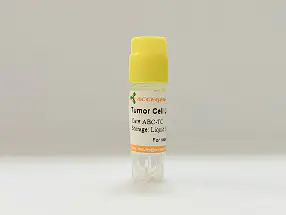
| Cat No. | ABC-TC0052 |
| Product Type | Human Pancreas Cancer Cell Lines |
| Cell Type | Epithelial-like |
| Species | Human |
| Growth Conditions | 37 ℃, 5% CO2 |
| Source Organ | Pancreas |
| Disease | Adenocarinoma |
| Product Code | AsPc-1; Aspc-1; ASPC-1; As-PC1; ASPC1; AsPC1; Aspc1; AsPc1 |
Utilize AsPC-1 pancreatic cancer line for tumor microenvironment modeling, chemoresistance studies, and metastatic behavior research in vitro.
AsPC-1 cell line is a human epithelial-like tumor cell line derived from nude mouse xenografts initiated with ascitic fluid collected from a 62-year-old Caucasian female patient diagnosed with metastatic pancreatic adenocarcinoma. The cells exhibit adherent growth with irregular epithelial morphology and form loosely packed monolayers under standard culture conditions. AsPC-1 cells retain key genetic and phenotypic features of pancreatic ductal adenocarcinoma, including KRAS mutations and the ability to secrete mucins and CA19-9. The cell line is poorly differentiated, resistant to apoptosis, and demonstrates tumorigenicity in xenograft models, forming aggressive, invasive tumors with peritoneal spread. AsPC-1 has a hypotriploid karyotype with complex structural and numerical chromosomal abnormalities. It is frequently used to model late-stage pancreatic cancer and chemoresistance. The cells undergo rigorous screening and isolation procedures, and are rigorously tested to ensure they are free of contamination from HIV-1, HBV, HCV, Syphilis, Mycoplasma, Fungi, Yeast, and Bacteria.
| Product Code | AsPc-1; Aspc-1; ASPC-1; As-PC1; ASPC1; AsPC1; Aspc1; AsPc1 |
| Species | Human |
| Cat.No | ABC-TC0052 |
| Product Category | Tumor Cell Lines |
| Size/Quantity | 1 vial |
| Cell Type | Epithelial-like |
| Growth Mode | Adherent |
| Shipping Info | Dry Ice |
| Growth Conditions | 37 ℃, 5% CO2 |
| Source Organ | Pancreas |
| Disease | Adenocarinoma |
| Biosafety Level | 1 |
| Storage | Liquid Nitrogen |
| Product Type | Human Pancreas Cancer Cell Lines |
AsPC-1cells are widely used model for advanced and metastatic pancreatic ductal adenocarcinoma (PDAC), suitable for studies involving tumor invasion, metastasis, and drug resistance. The cell line is frequently used to investigate KRAS-driven oncogenesis, epithelial-mesenchymal transition (EMT), and cytokine-mediated tumor-stroma interaction. AsPC-1’s in vivo tumorigenicity and mucin-producing phenotype make it valuable for xenograft modeling and biomarker research. It is also applied in screening chemotherapeutics and evaluating mechanisms of resistance to gemcitabine and other standard PDAC treatments. Its ability to mimic aggressive disease progression supports its use in preclinical and translational research targeting advanced pancreatic cancer.
When you publish your research, please cite our product as “AcceGen Biotech Cat.# XXX-0000”. In return, we’ll give you a $200 coupon. Simply click here and submit your paper’s PubMed ID (PMID).