


For research use only
| Cat No. | ABC-TC0343 |
| Product Type | Human Uterine Cancer Cell Lines |
| Cell Type | Epithelial-like |
| Species | Human |
| Growth Conditions | 37 ℃, 5% CO2 |
| Source Organ | Uterus |
| Disease | Endometrial Adenocarinoma |
| Product Code | Hec-1-A; HEC-1A; HEC1-A; HEC1A; Hec1A |
Endometrial carcinoma
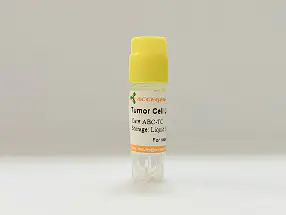
HEC-1-A is a human endometrial adenocarcinoma cell line derived from the uterine tumor of a woman. The cells exhibit epithelial morphology and form adherent monolayers. HEC-1-A is a hypodiploid to hyperdiploid cell line with a modal chromosome number of 47. It contains large metacentric marker chromosomes and exhibits microsatellite instability. It is tumorigenic in immunodeficient mice and serves as a model for studying endometrial cancer progression and drug response. The cells undergo rigorous screening and isolation procedures, and are rigorously tested to ensure they are free of contamination from HIV-1, HBV, HCV, Syphilis, Mycoplasma, Fungi, Yeast, and Bacteria.
| Product Code | Hec-1-A; HEC-1A; HEC1-A; HEC1A; Hec1A |
| Species | Human |
| Cat.No | ABC-TC0343 |
| Product Category | Tumor Cell Lines |
| Size/Quantity | 1 vial |
| Cell Type | Epithelial-like |
| Shipping Info | Dry Ice |
| Growth Conditions | 37 ℃, 5% CO2 |
| Source Organ | Uterus |
| Disease | Endometrial Adenocarinoma |
| Biosafety Level | 1 |
| Storage | Liquid Nitrogen |
| Product Type | Human Uterine Cancer Cell Lines |
HEC-1-A cells (also referred to as Human HEC1A cells) are ideal for gynecologic cancer research and hormone receptor studies. These cells support the investigation of tumor cell invasion, proliferation, and drug responses. HEC-1-A is commonly used in preclinical evaluation of hormone-modulating agents and in exploring endometrial cancer pathogenesis under controlled laboratory settings. Their epithelial morphology and reliable adherent growth in culture make them consistent for long-term experimental protocols.
When you publish your research, please cite our product as “AcceGen Biotech Cat.# XXX-0000”. In return, we’ll give you a $200 coupon. Simply click here and submit your paper’s PubMed ID (PMID).