



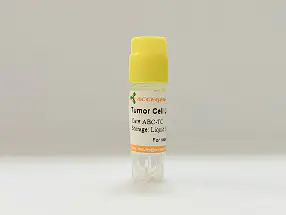
For research use only
| Cat No. | ABC-TC0417 |
| Product Type | Human Leukemia Cell Lines |
| Cell Type | Lymphoblast |
| Species | Human |
| Growth Conditions | 37 ℃, 5% CO2 |
| Product Code | HSB cell, HSB cell line |
Derived from the same buffy coat preparation as CCRF-SB by serially transplanting into newborn syrian hamsters.
HSB (also known as HSB-2 or CCRF-HSB-2) is a human T-cell acute lymphoblastic leukemia (T-ALL) cell line originally established from the peripheral blood of an 11-year-old Caucasian male patient diagnosed with childhood T-cell acute lymphoblastic leukemia. It is a lymphoblast-like suspension cell line. HSB cells have been included in large genomic projects, supporting their use in studies related to blood cancer biology and therapeutic screening. As a malignant leukemia model, it represents neoplastic T-cell behavior in vitro and has been used to investigate gene-drug interactions and signaling pathways relevant to acute lymphoblastic leukemia. The cells undergo rigorous screening and isolation procedures, and are rigorously tested to ensure they are free of contamination from HIV-1, HBV, HCV, Syphilis, Mycoplasma, Fungi, Yeast, and Bacteria.
| Product Code | HSB cell, HSB cell line |
| Species | Human |
| Cat.No | ABC-TC0417 |
| Product Category | Tumor Cell Lines |
| Size/Quantity | 1 vial |
| Cell Type | Lymphoblast |
| Shipping Info | Dry Ice |
| Growth Conditions | 37 ℃, 5% CO2 |
| Biosafety Level | 1 |
| Storage | Liquid Nitrogen |
| Product Type | Human Leukemia Cell Lines |
HSB cell line is used as an in vitro model of T-cell acute lymphoblastic leukemia for investigating tumor cell proliferation, hematopoietic signaling pathways, and responses to anticancer agents. Their suspension growth supports drug sensitivity assays and molecular mechanism studies relevant to blood cancer research and preclinical therapeutics.
When you publish your research, please cite our product as “AcceGen Biotech Cat.# XXX-0000”. In return, we’ll give you a $200 coupon. Simply click here and submit your paper’s PubMed ID (PMID).