

For research use only
| Cat No. | ABC-TC3030 |
| Product Type | Keratinocyte |
| Cell Type | Keratinocyte |
| Species | Human |
| Growth Conditions | 37 ℃, 5% CO2 |
| Source Organ | Skin |
| Disease | Normal |
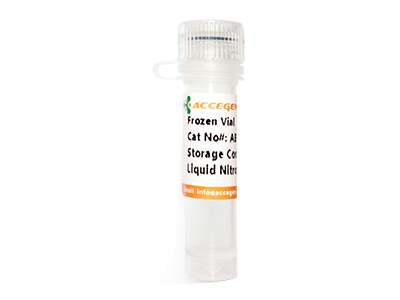
| Storage | Liquid Nitrogen |
Human Keratinocytes, Adult provide an ideal model for skin biology, wound healing, and drug testing, with no murine feeder layer, at early passage.
Human Keratinocytes, Adult are isolated from healthy donor skin tissue (epidermis), specifically from the basal layer of the skin, maintaining characteristic cobblestone morphology and stratified growth potential in culture. These cells play a critical role in forming the epidermal barrier and protecting against mechanical, chemical, and microbial damage. These primary keratinocytes express standard keratinocyte markers (cytokeratin 5, 14 in basal layers; cytokeratin 1, 10 in differentiated layers) and demonstrate proper calcium-induced differentiation capacity. The cells exhibit physiological proliferation rates with balanced expression of epidermal growth factor receptors and cell cycle regulators (p63, Ki-67). They retain native barrier function properties and respond appropriately to wound healing stimuli (TGF-α, IL-1α). They are used in studies of skin disorders such as psoriasis, squamous cell carcinoma, and wound healing.
| Species | Human |
| Cat.No | ABC-TC3030 |
| Product Category | Primary Cells |
| Size/Quantity | 1 vial |
| Cell Type | Keratinocyte |
| Growth Mode | Adherent |
| Shipping Info | Dry Ice |
| Growth Conditions | 37 ℃, 5% CO2 |
| Source Organ | Skin |
| Disease | Normal |
| Biosafety Level | 1 |
| Storage | Liquid Nitrogen |
| Product Type | Keratinocyte |
| Quality Control | All cells test negative for mycoplasma, bacteria, yeast, and fungi. |
Human keratinocytes are widely used in scientific applications. In wound healing and some pathogenic conditions, growth factors and cytokines such as IL-1, TNF-α, TGF-α, TGF-β, and IFN-γ affect keratinocyte activation. Keratinocytes respond to signals from fibroblasts, such as TGF-β, by expressing K5 and K14, which leads to the restoration of their healthy basal phenotype. The differentiation of keratinocytes is mediated through the involvement of the mitogen-activated protein kinase (MAPK) pathway, which is influenced by factors such as epidermal growth factor (EGF), TNF, and calcium influx. Keratinocytes are also involved in the immune signaling pathway, as they express Toll-like receptors (TLRs) that respond to pathogen-associated molecular patterns (PAMPs). Toll-like receptors are expressed in human keratinocytes. TLR3, 4, 5 ligand stimulation can trigger an immune response in keratinocytes.
When you publish your research, please cite our product as “AcceGen Biotech Cat.# XXX-0000”. In return, we’ll give you a $200 coupon. Simply click here and submit your paper’s PubMed ID (PMID).