- In-Stock Tumor Cell Lines
- Human Orbital Fibroblasts
- Human Microglia
- Human Pulmonary Alveolar Epithelial Cells
- Human Colonic Fibroblasts
- Human Type II Alveolar Epithelial Cells
- Human Valvular Interstitial Cells
- Human Thyroid Epithelial Cells
- C57BL/6 Mouse Dermal Fibroblasts
- Human Alveolar Macrophages
- Human Dermal Fibroblasts, Adult
- Human Lung Fibroblasts, Adult
- Human Retinal Muller Cells
- Human Articular Chondrocytes
- Human Retinal Pigment Epithelial Cells
- Human Pancreatic Islets of Langerhans Cells
- Human Kidney Podocyte Cells
- Human Renal Proximal Tubule Cells
World Health Day highlights the vital role of scientific research in driving global health progress. Whether exploring disease mechanisms, developing new therapies, or advancing preventive strategies, the reliability of experimental systems is critical. Cell-based models remain indispensable, serving as the foundation for regenerative medicine research and modern biomedical studies.
Not all cell models serve the same purpose, and choosing between primary cells, stem cells, immune cells, or cell lines depends on the specific biological question being addressed.

Primary Cells in Physiological Research
Primary cells are among the most physiologically relevant in vitro models, as they are derived directly from human tissues and retain their in vivo characteristics. This makes them valuable for studying tissue function, disease progression, and cellular responses.
Primary immune cells such as PBMCs and T lymphocytes faithfully mirror immune activity, while epithelial cells and endothelial cells provide insight into epithelial barrier function and vascular biology. As a widely used epithelial cell model, they help characterize epithelial cell function in both healthy and diseased states.
Mesenchymal Stem Cells and Regenerative Potential
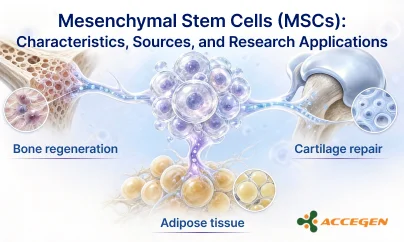
Mesenchymal stem cells (MSCs) are widely used due to their differentiation capacity and immunomodulatory properties. Beyond cell replacement, they regulate inflammation and support tissue repair.
Sourced from umbilical cord, adipose tissue, and other origins, MSCs are applied in research on chronic inflammation, wound healing, and regenerative therapies. Their versatility makes them a cornerstone of cell therapy research and advanced regenerative strategies.
Immune Cells and Systemic Defense Mechanisms
The immune system is essential for sustaining health and fighting disease. Immune cell models support in-depth analysis of signaling pathways, cytokine activity, and cellular interactions.
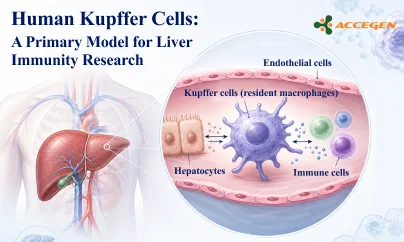
Macrophages help researchers understand inflammation and tissue homeostasis, while T cells are central to adaptive immunity and immunotherapy research. These models are fundamental for disease studies and maintaining immune balance.
Barrier-Forming Cells in Organ Function
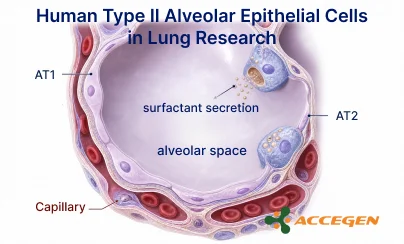
Epithelial and endothelial cells are critical to physiological stability, as they form protective barriers and regulate material exchange.
Subtypes such as squamous epithelial cells, non-renal epithelial cells, and transitional epithelial cells in urine are commonly analyzed to assess tissue integrity. The presence of epithelial cells in urine, including renal epithelial cells in urine, reflects physiological or pathological changes. Terms like urine epithelial cells and squamous epithelial cells in urine are frequently used in clinical contexts, linking laboratory research with diagnostic observations.
These cells are widely used to model how environmental or internal factors disrupt cellular function, particularly in studies involving abnormal epithelial cells.
Cancer Cells as Disease Models
Cancer cell models are essential for studying tumor biology, therapeutic resistance, and drug response. They enable controlled investigation of complex disease mechanisms and support the development of effective treatment strategies.
Conclusion
Advancing health research depends on selecting appropriate experimental models. Different cell types provide distinct advantages and directly impact research outcomes.
On World Health Day, recognizing the role of cell models highlights the connection between experimental systems and real-world health improvements, supporting the translation of research into clinical impact.

Copyright - Unless otherwise stated all contents of this website are AcceGen™ All Rights Reserved – Full details of the use of materials on this site please refer to AcceGen Editorial Policy – Guest Posts are welcome, by submitting a guest post to AcceGen you are agree to the AcceGen Guest Post Agreement – Any concerns please contact marketing@accegen.com