- In-Stock Tumor Cell Lines
- Human Orbital Fibroblasts
- Human Microglia
- Human Pulmonary Alveolar Epithelial Cells
- Human Colonic Fibroblasts
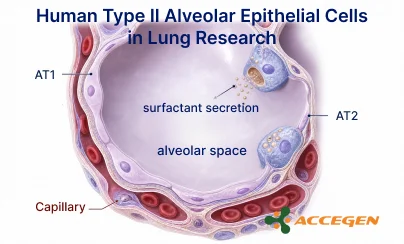
- Human Type II Alveolar Epithelial Cells
- Human Valvular Interstitial Cells
- Human Thyroid Epithelial Cells
- C57BL/6 Mouse Dermal Fibroblasts
- Human Alveolar Macrophages
- Human Dermal Fibroblasts, Adult
- Human Lung Fibroblasts, Adult
- Human Retinal Muller Cells
- Human Articular Chondrocytes
- Human Retinal Pigment Epithelial Cells
- Human Pancreatic Islets of Langerhans Cells
- Human Kidney Podocyte Cells
- Human Renal Proximal Tubule Cells
The human ovary is a complex reproductive organ that relies not only on germ cells but also on a robust stromal microenvironment to maintain proper function. Among the key players, Human Ovarian Stromal Cells (HOSCs) serve critical roles in supporting folliculogenesis, hormone regulation, and overall ovarian health. Understanding the biological mechanisms and core functions of HOSCs has become an increasingly vital focus in reproductive biology, aging research, and ovarian disease modeling.

1. The Ovarian Stromal Microenvironment
Human ovarian stromal cells form the connective tissue scaffold of the ovary. They provide structural support for developing follicles and interact closely with granulosa and theca cells. The stromal compartment is abundant in extracellular matrix (ECM) proteins, growth factors, and paracrine signaling molecules. Together, these components form a nurturing microenvironment to support oocyte maturation.
Key functions include:
- ECM production and remodeling to maintain ovarian architecture
- Secretion key growth factors including VEGF, IGF, and FGF
- Regulation of local ovarian hormone levels, including estrogen and progesterone
These coordinated activities ensure follicles develop sequentially through primordial, primary, and secondary stages, sustaining normal female reproductive competence.
2. Mechanisms of Follicle Support
HOSCs influence follicle development through multiple mechanisms:
- Paracrine Signaling-Stromal cells secrete specific signaling factors that direct granulosa cell proliferation and theca cell differentiation.
- Hormone Responsiveness-HOSCs express functional receptors for FSH, LH, and androgens, allowing dynamic responses to systemic hormonal signals.
- ECM Regulation-Stromal cells actively remodel ovarian ECM to facilitate follicle expansion and maintain the mechanical environment necessary for oocyte growth.
These mechanisms collectively ensure that follicles maintain viability and developmental potential, which is particularly relevant in in vitro follicle culture systems.
3. Stromal Cells in Reproductive Health and Disease
Beyond normal physiology, ovarian stromal cells are implicated in a range of clinical conditions:
- Ovarian Aging: Increased stromal ECM stiffness and dysregulated paracrine signaling drive the decline in ovarian follicle reserve.
- Polycystic Ovary Syndrome (PCOS): Stromal hyperplasia and impaired hormone responsiveness are well-characterized hallmarks of PCOS.
- Ovarian Cancer: Stroma-derived cancer-associated fibroblasts drive ovarian tumor growth, invasion, and metastasis — underscoring HOSCs’ critical pathological role in ovarian malignancy.
Research on HOSCs offers insight into disease mechanisms and provides a platform for therapeutic screening.
4. Experimental Applications
HOSCs are a key cellular model widely used in basic and translational research:
- Follicle co-culture models: HOSCs support in vitro ovarian follicle survival and maturation, an indispensable tool for fertility preservation research.
- Drug testing: Their paracrine and hormone-responsive properties enable accurate modeling of ovarian tissue responses to pharmacological agents.
- Tissue engineering: HOSCs are a core component for constructing 3D ovarian tissue scaffolds, laying the foundation for regenerative medicine applications.
5. Why Use AcceGen Human Ovarian Stromal Cells?
AcceGen provides high-quality, well-characterized Human Ovarian Stromal Cells suitable for both research and translational applications. Key features include:
- Primary human origin with verified viability
- Lot-to-lot consistent morphology and stable hormone responsiveness
- Optimized for ovarian co-culture, disease modeling, and preclinical drug screening
Each lot undergoes rigorous screening and isolation procedures to ensure product quality and reproducibility.
With AcceGen’s high-quality HOSCs, researchers can reliably study ovarian biology, model disease, and explore novel therapeutic strategies.

Copyright - Unless otherwise stated all contents of this website are AcceGen™ All Rights Reserved – Full details of the use of materials on this site please refer to AcceGen Editorial Policy – Guest Posts are welcome, by submitting a guest post to AcceGen you are agree to the AcceGen Guest Post Agreement – Any concerns please contact marketing@accegen.com