


For research use only
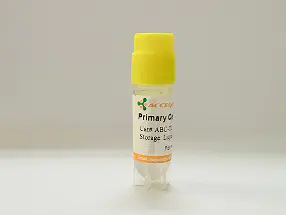
| Cat No. | ABC-TC3071 |
| Product Type | Mouse Primary Cells |
| Cell Type | Heart Cell |
| Species | BALB/c Mouse |
| Growth Conditions | 37 ℃, 5% CO2 |
| Source Organ | Heart |
| Disease | Normal |
| Storage | Liquid Nitrogen |
Mouse primary cardiac cells (MPCACs) are isolated from tissue of pathogen-free laboratory mice.
BALB/c Mouse Heart Cells are isolated from neonatal BALB/c mouse cardiac tissue and include a mixed population of cardiomyocytes, cardiac fibroblasts, and endothelial cells. These primary cells retain their native morphology and exhibit spontaneous contractile activity in early cultures. Cardiomyocytes express specific markers such as cardiac troponin T (cTnT) and α-actinin, while fibroblasts express vimentin and DDR2. Karyotype analysis confirms the chromosomal stability of BALB/c Mouse Heart Cells at early passages. These cells are cryopreserved at early passage to preserve viability and function. Each lot undergoes rigorous screening and isolation procedures, and is rigorously tested to ensure it is free of contamination from Mycoplasma, Fungi, Yeast, and Bacteria.
| Product Code | BALB/c Mouse Heart Cells,Mouse Heart Cells,Heart Cells,Cardiac Cells,MHCs,BALB/c MHCs |
| Species | BALB/c Mouse |
| Cat.No | ABC-TC3071 |
| Product Category | Primary Cells |
| Size/Quantity | 1 vial |
| Cell Type | Heart Cell |
| Growth Mode | Adherent |
| Shipping Info | Dry Ice |
| Growth Conditions | 37 ℃, 5% CO2 |
| Source Organ | Heart |
| Disease | Normal |
| Biosafety Level | 1 |
| Storage | Liquid Nitrogen |
| Product Type | Mouse Primary Cells |
| Quality Control | All cells test negative for mycoplasma, bacteria, yeast, and fungi. |
BALB/c Mouse Heart Cells provide a reliable in vitro model for studying cardiac development, electrophysiology, hypertrophy, cardiotoxicity and cardiac regeneration. They are valuable in research on myocardial infarction, heart failure, and regenerative therapies using stem cells. These cells exhibit functional ion channel activity and calcium handling properties critical for electrophysiological studies. Their fibroblast population facilitates research on extracellular matrix remodeling and fibrotic processes in the heart. Additionally, they are used to investigate drug responses and signaling pathways involved in cardiac fibrosis and remodeling.
When you publish your research, please cite our product as “AcceGen Biotech Cat.# XXX-0000”. In return, we’ll give you a $200 coupon. Simply click here and submit your paper’s PubMed ID (PMID).