



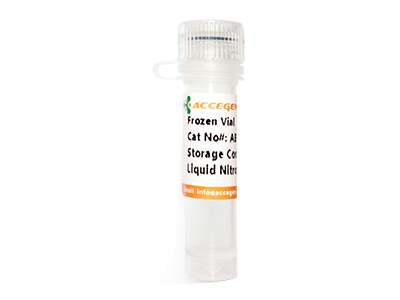
For research use only
| Cat No. | ABC-TC0387 |
| Product Type | Human Leukemia Cell Lines |
| Cell Type | Epithelial |
| Species | Human |
| Growth Conditions | 37 ℃, 5% CO2 |
| Source Organ | Kidney |
| Disease | Papilloma |
| Product Code | Hk-2; HK2; Human Kidney-2 |
HK-2 kidney proximal tubule cells immortalized by HPV E6/E7, express key markers,retain tubular functions including glucose transport and hormone response.
HK-2 is a immortalized human proximal tubule epithelial cell line that was originally isolated from normal adult male kidney tissue. HK-2 were established and immortalized by retroviral transduction of HPV‑16 E6/E7 genes. These cells exhibit a well-differentiated epithelial morphology with typical polygonal shape and brush‑border enzyme activity characteristic of proximal tubular cells (PTCs). This line retains functional traits including Na⁺‑dependent phlorizin‑sensitive glucose transport, adenylate cyclase responsiveness to parathyroid hormone, and expression of markers such as alkaline phosphatase, γ‑glutamyl transpeptidase, cytokeratin, integrin α3β1, and fibronectin. Karyotype data report stable immortalization with E6/E7 integration. HK‑2 is non‑tumorigenic and lacks metastatic potential, though it serves extensively as a non‑malignant renal epithelium model. Gene expression profiling under hypoxia and toxic exposure conditions reveals robust metabolic, oxidative-stress, and hypoxia-response patterns, reinforcing its differentiated functionality in vitro.
| Product Code | Hk-2; HK2; Human Kidney-2 |
| Species | Human |
| Cat.No | ABC-TC0387 |
| Product Category | Tumor Cell Lines |
| Size/Quantity | 1 vial |
| Cell Type | Epithelial |
| Growth Mode | Adherent |
| Shipping Info | Dry Ice |
| Growth Conditions | 37 ℃, 5% CO2 |
| Source Organ | Kidney |
| Disease | Papilloma |
| Biosafety Level | 1 |
| Storage | Liquid Nitrogen |
| Product Type | Human Leukemia Cell Lines |
The HK-2 cell line finds versatile applications, prominently in toxicology research, where its capacity to replicate outcomes from freshly isolated PTCs proves valuable. Its utility extends to investigating the impacts of environmental toxins like cadmium and cisplatin on kidney cells, as well as delving into the mechanisms underlying kidney disorders like diabetic nephropathy and acute kidney injury. Moreover, the line is instrumental in 3D cell culture and high-throughput screening approaches, highlighting its significance across multiple research avenues.
When you publish your research, please cite our product as “AcceGen Biotech Cat.# XXX-0000”. In return, we’ll give you a $200 coupon. Simply click here and submit your paper’s PubMed ID (PMID).