


For research use only
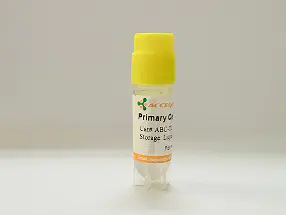
| Cat No. | ABC-TC3459 |
| Product Type | Hepatic Cells |
| Cell Type | Hepatocyte |
| Species | Human |
| Growth Conditions | 37 ℃, 5% CO2 |
| Source Organ | Liver |
| Disease | Normal |
| Storage | Liquid Nitrogen |
Human Pooled Primary Hepatocytes (HP2 Heps) provide an ideal culture model for drug testing and drug development.
Human Pooled Hepatocytes (Heps 20) are a cell population formed by mixing primary hepatocytes from 20 different donors. Morphologically, these cells exhibit typical characteristics of hepatic parenchymal cells, including a polygonal shape. These cells express liver-specific proteins, such as albumin (ALB), cytochrome P450 enzymes (CYP3A4, CYP2C9), and bile acid-metabolizing enzymes (UGT1A1, SULT2A1), which endow them with functions of drug metabolism, detoxification, and synthesis. In addition, these cells are involved in glycogen storage (regulated by insulin/glucagon) and lipid metabolism (regulating fatty acid synthesis through the SREBP1/FASN/ACC pathway). They serve as a robust model for evaluating hepatocyte functionality and supporting studies related to liver cell therapy. Each lot undergoes rigorous screening and isolation procedures, and is rigorously tested to ensure it is free of contamination from HIV-1, HBV, HCV, Syphilis, Mycoplasma, Fungi, Yeast, and Bacteria.
| Product Code | Human Pooled Hepatocytes Heps20, Human Hepatocytes Pool of 20 Donors, Pooled Primary Human Hepatocytes 20, Heps 20, Human Liver Cells Pooled 20 |
| Species | Human |
| Cat.No | ABC-TC3459 |
| Product Category | Primary Cells |
| Size/Quantity | 1 vial |
| Cell Type | Hepatocyte |
| Growth Mode | Adherent |
| Shipping Info | Dry Ice |
| Growth Conditions | 37 ℃, 5% CO2 |
| Source Organ | Liver |
| Disease | Normal |
| Biosafety Level | 1 |
| Storage | Liquid Nitrogen |
| Product Type | Hepatic Cells |
| Quality Control | All cells test negative for mycoplasma, bacteria, yeast, and fungi. |
Human Pooled Hepatocytes (Heps 20) can simulate drug metabolism processes in vitro, assisting researchers in investigating metabolic pathways, analyzing drug metabolites, and conducting in-depth studies of enzymatic activity. They are also suitable for examining hepatocyte functions such as bile acid metabolism, glycogen storage, lipid synthesis, and enzyme regulation. Additionally, these cells can be utilized to assess cellular responses to chemical or environmental stressors, oxidative damage, and other factors affecting hepatocyte health, providing strong support for mechanistic studies in liver biology, hepatocyte functionality, and in vitro toxicology.
When you publish your research, please cite our product as “AcceGen Biotech Cat.# XXX-0000”. In return, we’ll give you a $200 coupon. Simply click here and submit your paper’s PubMed ID (PMID).